

Content websites—blogs, review sites, niche authority pages, and informational hubs—remain one of the most reliable paths to sustainable affiliate income in 2026. With the global affiliate marketing industry valued at approximately $20 billion and continuing to grow at a steady pace, creators who focus on helpful, SEO-driven content are well-positioned to capture a share of this revenue.
Unlike social media influencers or paid traffic arbitragers, content website owners thrive on evergreen traffic from search engines, building trust through in-depth articles, comparisons, and guides. The right affiliate platform can make or break your success by providing access to relevant merchants, reliable tracking, useful creative tools (like deep links and product feeds), and timely payouts.
This comprehensive guide evaluates the top affiliate marketing platforms specifically for content websites in 2026. Selections are based on factors critical to bloggers and publishers: merchant diversity, ease of integration into written content, reporting tools, payout thresholds, approval processes, and support for privacy-compliant tracking in a cookieless era.

2026 Affiliate Marketing Statistics: $12B Industry Secrets!
The affiliate marketing industry continues steady growth into 2026, driven by e-commerce and content creators.
We’ll cover seven standout platforms, with pros/cons, key features for content creators, and real-world examples. A comparison table and selection advice follow.
Selection Criteria for Content Websites
- Merchant Variety & Niche Fit — Broad or targeted programs that align with popular content niches (tech, lifestyle, health, finance, etc.).
- Content-Friendly Tools — Deep linking, widgets, banners, product data feeds, and API access for dynamic content.
- Tracking Reliability — Cookieless options, accurate attribution, and cross-device support.
- Ease of Use & Approval — Beginner-friendly dashboards and reasonable program approvals.
- Payout Terms — Low thresholds, reliable schedules, and multiple methods.
- Support & Resources — Educational materials, dedicated managers for top performers, and compliance tools.
These platforms were chosen from leading industry sources and performance data in early 2026.
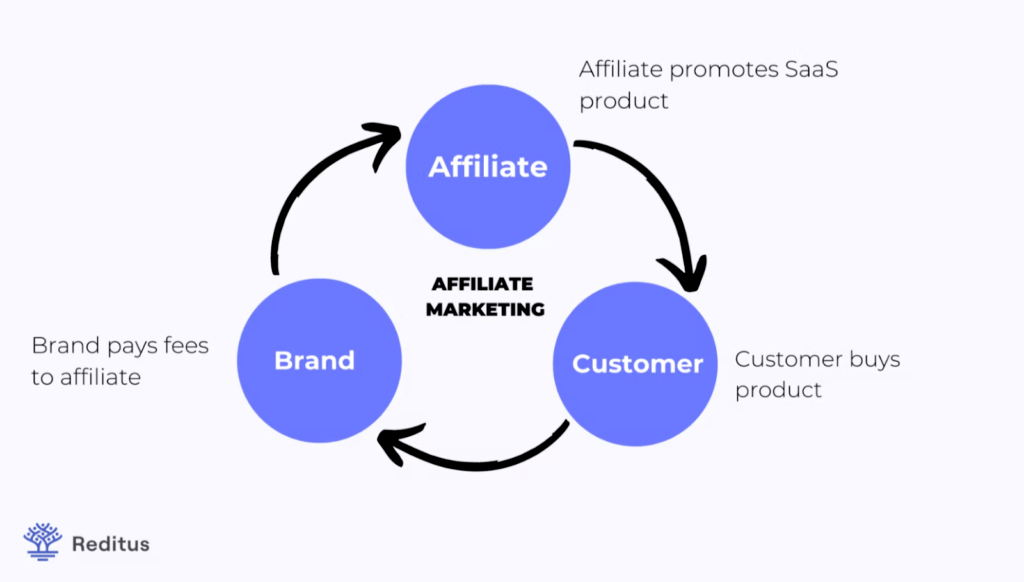
SaaS Affiliate Marketing: Ultimate Guide from A to Z
A visual overview of the affiliate marketing ecosystem, showing how platforms connect merchants with content creators.
1. Amazon Associates
Amazon Associates remains the go-to starting point for most content websites, thanks to its unmatched product selection.
Key Features for Content Sites:
- Access to millions of products with SiteStripe toolbar for instant link creation.
- Native widgets, recommendation carousels, and API for custom displays.
- Enhanced with tools like Levanta for multi-channel distribution.
Pros:
- Extremely easy deep linking—link directly to any product page.
- Trusted brand boosts conversion rates on review content.
- Low $10 payout threshold.
Cons:
- Commissions 1-10% (capped or reduced in some categories).
- Short 24-hour cookie window.
- Strict policy enforcement.
Real-World Use Case: Niche review sites (e.g., “best laptops 2026” roundups) dominate with Amazon links. Many bloggers report 60-80% of affiliate revenue from Amazon through listicles and comparison tables.

How to Write Product Reviews for Affiliate Marketing
Example of a product review blog post integrating affiliate links naturally.
2. Awin (Including ShareASale)
Awin consolidated ShareASale and leads in global reach and merchant diversity.
Key Features for Content Sites:
- 25,000+ advertisers across retail, fashion, tech, and travel.
- Deep linking tools, product feeds, and content plugins.
- Creator-focused extensions for WordPress.
Pros:
- Beginner-friendly with many auto-approvals.
- Flexible payments (low thresholds, multiple currencies).
- Strong for seasonal and lifestyle content.
Cons:
- Interface can feel overwhelming initially.
- Commission rates vary widely by merchant.
Real-World Use Case: Fashion and beauty bloggers use Awin for brands like ASOS and Sephora, embedding links in gift guides and tutorials for consistent mid-tier earnings.
3. CJ Affiliate
CJ Affiliate attracts premium enterprise advertisers.
Key Features for Content Sites:
- Deep Link Generator and content-certified programs.
- Robust reporting with performance analytics.
- Cookieless tracking enhancements.
Pros:
- High-profile brands (e.g., Verizon, Dell) with competitive commissions.
- Dedicated support for established sites.
- Excellent data feeds for comparison content.
Cons:
- Selective approvals—requires decent traffic.
- Higher payout threshold ($50).
Real-World Use Case: Tech review sites partner with software and hardware giants, using CJ’s feeds to build dynamic “best of” tables that update automatically.
4. Rakuten Advertising
Rakuten Advertising offers premium retail partnerships.
Key Features for Content Sites:
- Rotational banners, dynamic ads, and easy deep linking.
- Cashback integrations for higher conversions.
- Global merchant access.
Pros:
- Trusted brands (Walmart, Macy’s) with reliable payouts.
- User-friendly dashboard.
- Strong performance during sales events.
Cons:
- Fewer digital/SaaS options.
- Selective program access.
Real-World Use Case: Deal and shopping blogs leverage Rakuten for holiday guides, achieving high conversion rates through trusted retailer links.
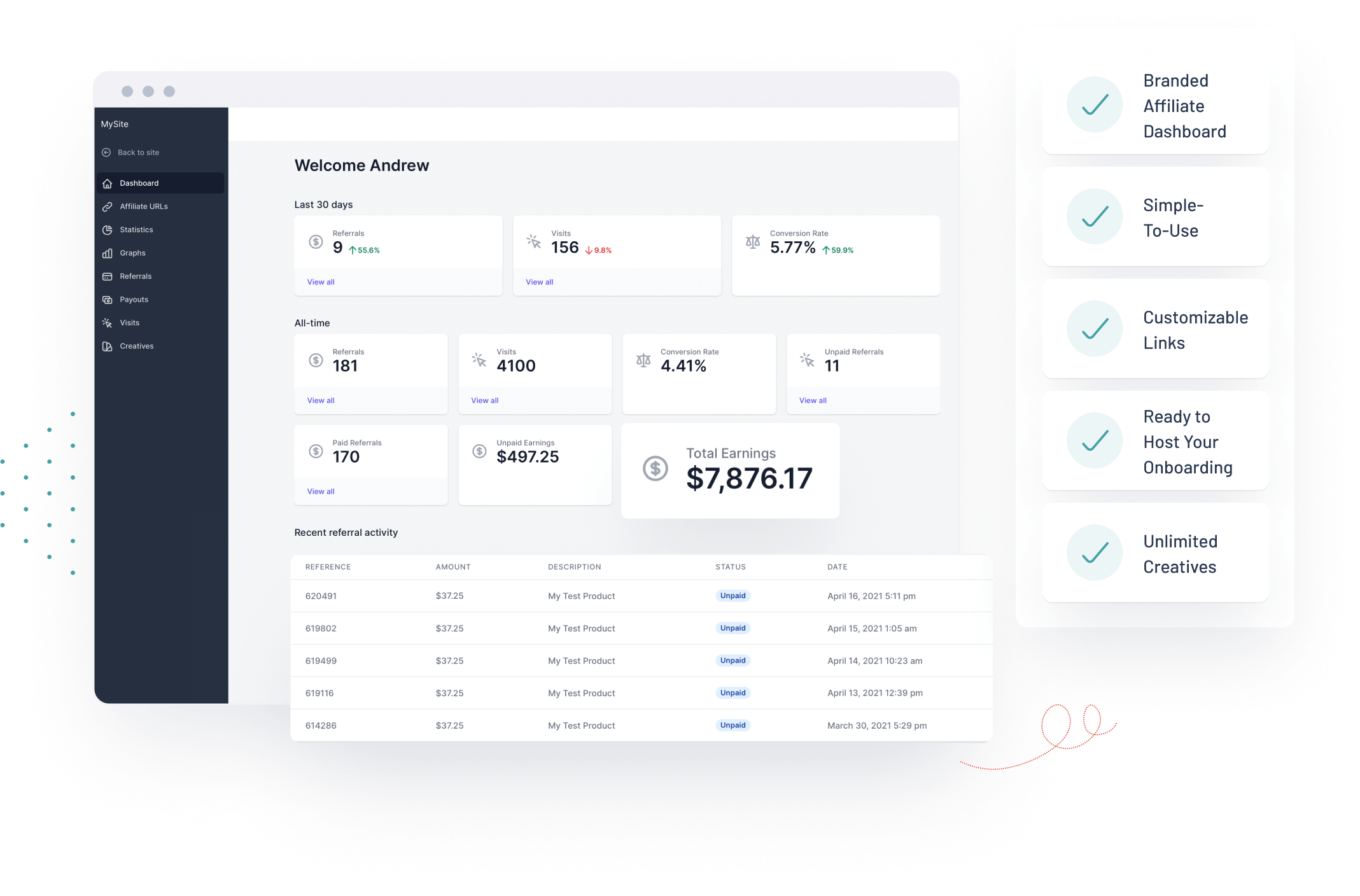
Custom Affiliate Dashboard – AffiliateWP
Modern affiliate dashboard interfaces help content creators track performance easily.
5. Impact.com
Impact.com provides advanced partnership automation.
Key Features for Content Sites:
- Marketplace plus direct brand partnerships.
- AI-driven insights and multi-touch attribution.
- Contract automation and content tools.
Pros:
- Supports hybrid content-influencer strategies.
- Recurring commissions from SaaS brands.
- Excellent fraud detection and tracking.
Cons:
- Steeper learning curve.
- More recruitment effort needed.
Real-World Use Case: Authority sites in SaaS/tools niches use Impact for recurring revenue from software reviews (e.g., HubSpot partners).
6. PartnerStack
PartnerStack specializes in B2B/SaaS recurring programs.
Key Features for Content Sites:
- Dedicated SaaS marketplace.
- Automated onboarding and performance tracking.
- High lifetime commissions.
Pros:
- 20-50% recurring payouts—ideal for long-term content value.
- Educational resources for promoters.
- Strong for tech blogs.
Cons:
- Limited to software/digital—no physical products.
- Competitive approvals.
Real-World Use Case: Productivity and marketing blogs earn substantial passive income reviewing tools like Asana or ConvertKit.
7. ClickBank
ClickBank dominates high-commission digital products.
Key Features for Content Sites:
- Marketplace with gravity scores for performance.
- Upsell support and recurring billing.
- No approval needed for most offers.
Pros:
- Up to 75% commissions ($50-200+ per sale).
- Evergreen niches (health, wealth, relationships).
- Easy integration.
Cons:
- Variable product quality—requires careful vetting.
- Higher refund rates.
Real-World Use Case: Self-improvement blogs promote courses and e-books, with top performers scaling via email funnels tied to content.
Comparison Table: Top Platforms for Content Websites
| Platform | Best Niche Fit | Commission Range | Payout Threshold | Key Content Tool | Approval Ease |
|---|---|---|---|---|---|
| Amazon Associates | General/Product Reviews | 1-10% | $10 | SiteStripe, widgets | Easy |
| Awin | Retail/Lifestyle | 5-20% | $20 | Product feeds, plugins | Moderate |
| CJ Affiliate | Tech/Premium Brands | 5-30% | $50 | Deep Link Generator | Selective |
| Rakuten | Shopping/Deals | 5-15% | $50 | Dynamic ads | Moderate |
| Impact.com | SaaS/Hybrid | 10-40% recurring | Varies | Automation tools | Moderate |
| PartnerStack | SaaS/Software | 20-50% lifetime | $50 | Marketplace dashboard | Selective |
| ClickBank | Digital/Info Products | Up to 75% | $10 | Gravity scoring | Very Easy |
10 Best High-Commission Home Décor & Furniture Affiliate Programs …
Visual comparison of leading affiliate platforms’ features and strengths.
Choosing the Right Platform(s) in 2026
Start with your niche: Amazon for broad product content, PartnerStack for SaaS-focused sites, ClickBank for digital offers.
Diversify across 2-4 platforms to mitigate risks (policy changes, merchant shifts). Prioritize ethical promotion—Google’s helpful content updates reward genuine recommendations.
Trends to watch: AI-assisted link placement, enhanced cookieless tracking, and direct brand partnerships.
Conclusion
The best affiliate platform for your content website in 2026 depends on your audience and niche, but Amazon Associates, Awin, and CJ remain foundational for most creators. Advanced options like Impact.com and PartnerStack offer higher earning potential for established sites.
Success comes from creating valuable content that naturally incorporates promotions. Focus on trust, disclose affiliations, and track performance to refine your strategy.
Many top content earners in 2026 built their income steadily over years—start with one platform today and scale from there.
