

Building an affiliate website from scratch in 2026 requires more than quick content and links. Google’s ongoing emphasis on EEAT (Experience, Expertise, Authoritativeness, and Trustworthiness)—strengthened by 2024-2025 helpful content updates—means successful sites prioritize genuine value, transparency, and user trust. Affiliate marketing spending exceeds $20 billion globally, but longevity comes from ethical, audience-focused approaches.
This step-by-step guide walks you through creating a trustworthy affiliate site that generates sustainable income. We’ll cover niche selection, technical setup, content strategy, site structure, SEO, compliance, and trust-building. Follow these principles for a site that ranks well, converts ethically, and withstands algorithm changes.

How To Do Affiliate Marketing Step By Step Infographic Template …
A clear step-by-step process is essential for long-term success in affiliate marketing.
Step 1: Choose a Profitable Niche with Genuine Interest
Your niche forms your site’s foundation. A well-chosen niche balances passion, profitability, and competition.
Key Considerations:
- Passion and Expertise: Select topics you know or enjoy researching. Authentic enthusiasm builds trust and sustains creation.
- Demand and Monetization Potential: Target niches with affiliate programs (e.g., tech tools, health products, finance software).
- Competition Analysis: Use free tools like Google Keyword Planner or paid options like Ahrefs to find keywords with decent search volume and achievable difficulty.
Validate ideas by checking affiliate platforms for programs. SaaS niches often offer recurring commissions (20-50%), while e-commerce provides volume sales.
Example: Instead of broad “fitness,” narrow to “home workouts for busy parents”—specific enough for authority, broad enough for content variety.
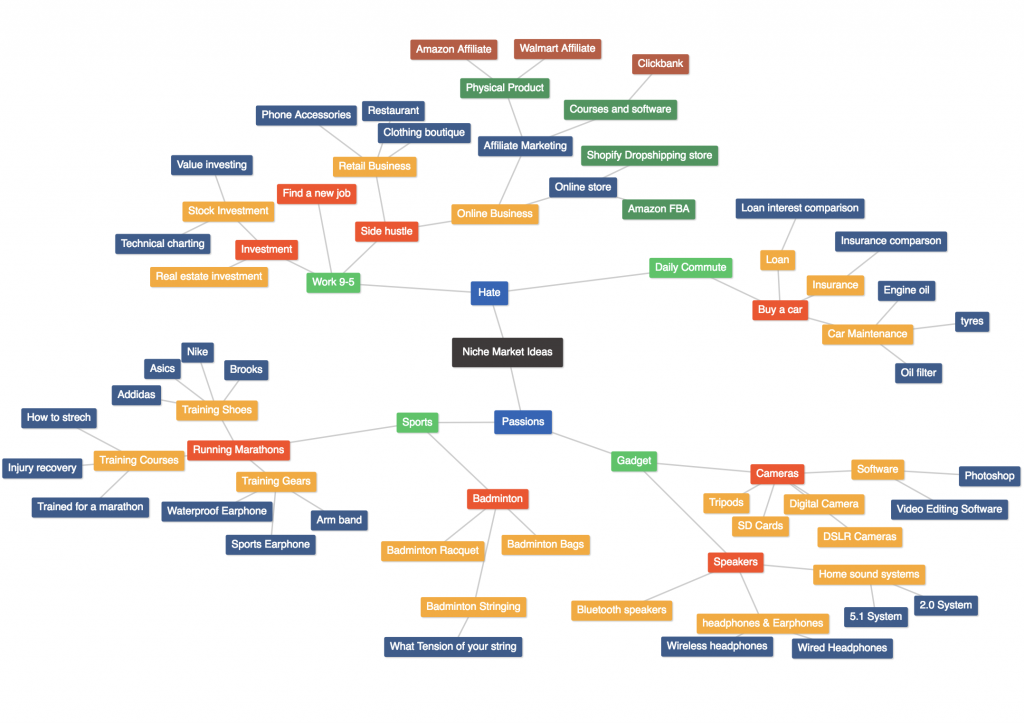
How To Find a Niche Market? Follow 4 Simple Steps – ThisJay
Mind mapping helps brainstorm and refine niche ideas effectively.
Step 2: Set Up Your Technical Foundation
Start with reliable basics.
Domain Name:
- Choose branded, keyword-relevant names (e.g., HomeWorkoutHub.com).
- Register via Namecheap or Google Domains for privacy protection.
Hosting:
- Select affiliate-friendly providers with speed and uptime (e.g., SiteGround, Cloudways, or WP Engine for WordPress sites).
Content Management System (CMS):
- Use WordPress (80%+ of affiliate sites) for flexibility.
- Install essential plugins: Yoast/Rank Math for SEO, WP Rocket for speed, Pretty Links for link management.
Design and Theme:
- Opt for clean, mobile-responsive themes like Astra or GeneratePress.
- Prioritize fast loading and easy navigation.
Step 3: Design a Logical Site Structure
A clear structure boosts user experience and SEO by helping crawlers understand your content.
Core Pages:
- Home: Welcoming overview with featured content.
- About: Build trust with your story, expertise, and mission.
- Contact: Simple form for engagement.
- Privacy Policy & Terms: Required for compliance.
- Disclosure Page: Dedicated affiliate explanation.
Content Hierarchy (Silo Structure):
- Use categories and subcategories.
- Implement pillar-cluster model: Core “pillar” pages link to supporting “cluster” posts.
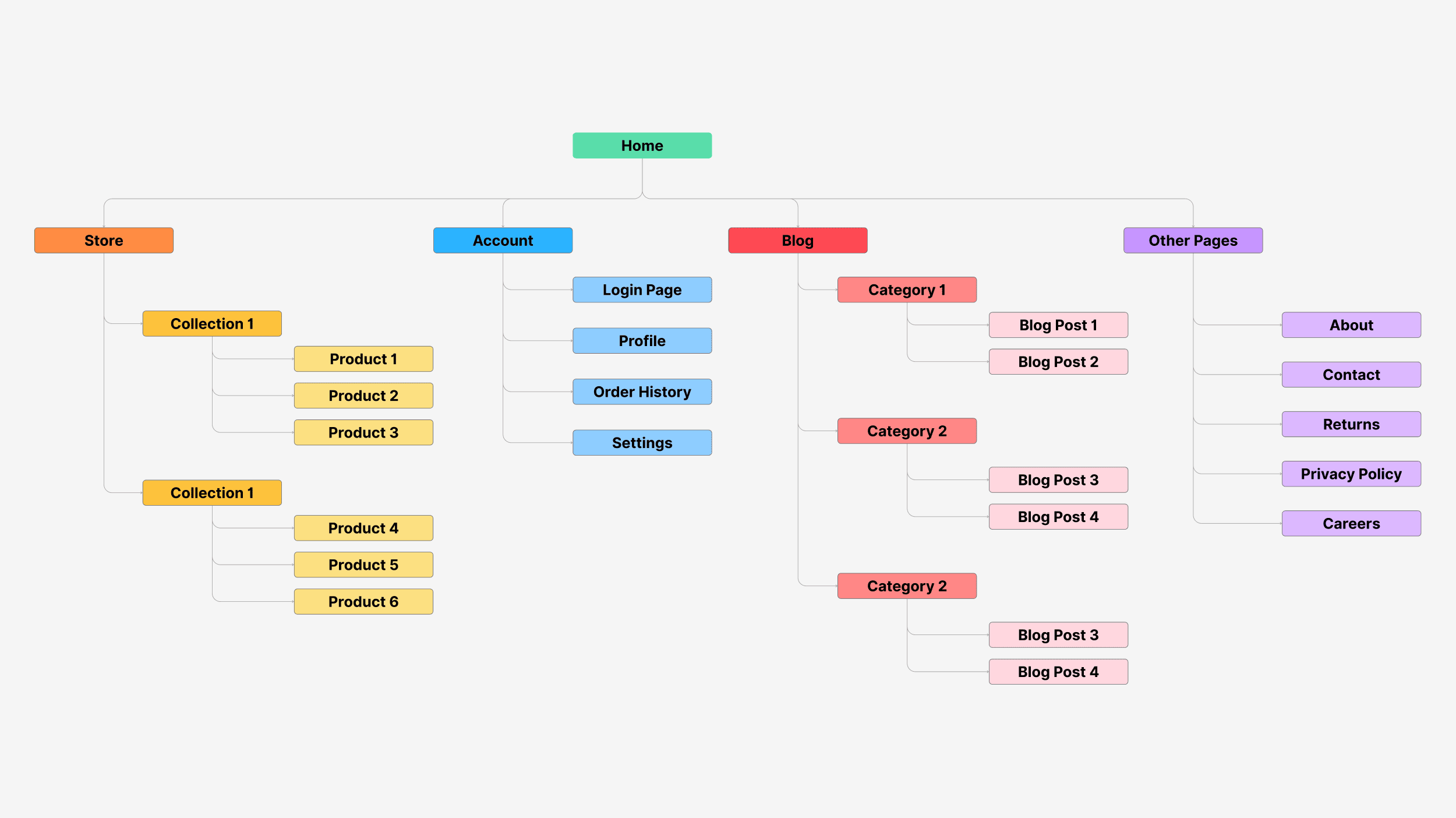
19 Sitemap Examples for Any Website (+ Tips)
Effective sitemaps organize content for both users and search engines.
Create an XML sitemap via Yoast and submit to Google Search Console.
Step 4: Create Helpful, High-Quality Content
Content drives affiliate success. Focus on solving problems, not pushing products.
Content Strategy:
- Build pillar pages: Comprehensive guides (e.g., “Ultimate Guide to Home Workouts 2026”).
- Support with cluster content: Specific posts linking back (e.g., “Best Resistance Bands for Beginners”).
- Aim for 1,500–3,000+ words on pillars, backed by research and personal experience.

How to Build Pillar Content and Topic Clusters for SEO
The pillar-cluster model creates topical authority and improves rankings.
Best Practices:
- Write for humans: Clear, scannable with headings, bullets, tables.
- Add value first: Reviews, comparisons, tutorials.
- Use visuals: Images, infographics, videos.
- Update regularly: Refresh evergreen content annually.
Tools like Surfer SEO or Frase help optimize without overdoing it.
Step 5: Integrate Affiliate Links Naturally
Monetize only after establishing value.
When to Add Links:
- In relevant context (e.g., tool mentions in tutorials).
- Use comparison tables, resource pages, or “best of” roundups.
Platforms to Join:
- Beginners: Amazon Associates.
- Diverse retail: Awin or CJ Affiliate.
- Recurring SaaS: PartnerStack or Impact.com.
- Digital products: ClickBank.
Placement Tips:
- Contextual text links convert best.
- Disclose clearly near links.
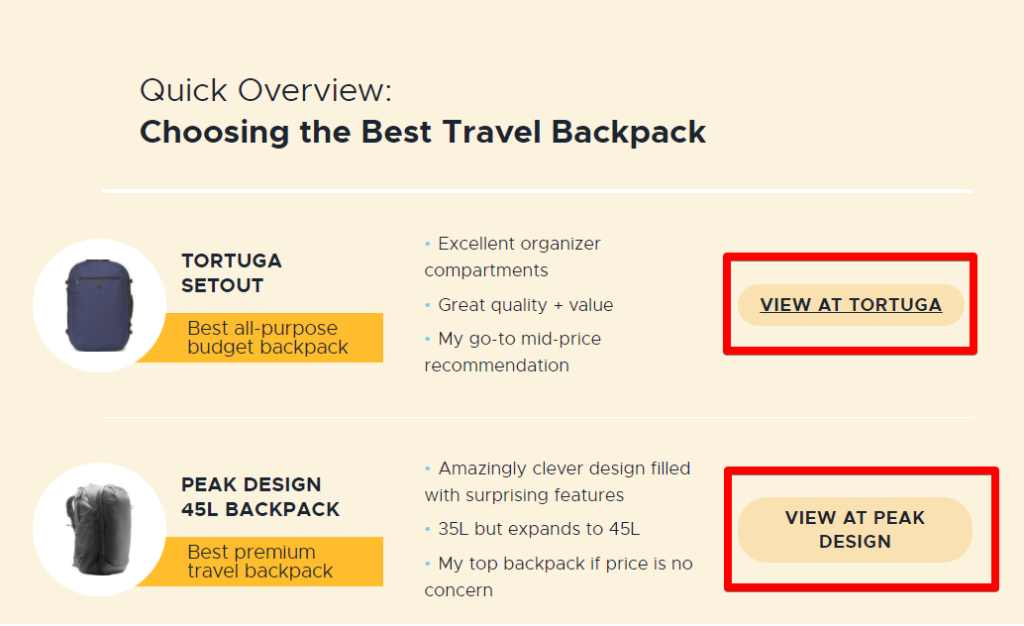
11 Smart Ways to Place Affiliate Links on Your Blog — Travelpayouts
Natural link placement within valuable content drives ethical conversions.
Track with Google Analytics 4 and platform dashboards.
Step 6: Ensure Full Legal Compliance
Compliance protects your site and builds trust.
FTC Guidelines (U.S.):
- Disclose material connections clearly and conspicuously.
- Place disclosures above the fold or near links.
- Use simple language: “This post contains affiliate links—I may earn a commission if you purchase through them.”

FTC Affiliate Disclosure: Rules, Examples, and a 2026 Checklist
Clear, prominent disclosures are mandatory for legal compliance.
Other Requirements:
- GDPR/CCPA privacy policies (tools like Termly help).
- No misleading claims—promote only tested products.
- Add no-follow to affiliate links where required.
Create a dedicated disclosure page and link in footer.
Step 7: Build Trust Signals Throughout Your Site
Trust converts visitors into clicks and buyers.
Essential Elements:
- About page with photo, bio, credentials.
- Testimonials or case studies (when available).
- Trust badges: SSL certificate, secure hosting seals.
- Transparent sourcing: Cite studies, link authorities.
- Comments section or community features.
![Which Site Seals Create The Most Trust? [Original Research]](https://cxl.com/wp-content/uploads/2016/06/trust_seals-929x720.jpg)
Which Site Seals Create The Most Trust? [Original Research]
Trust elements like badges and transparent bios reassure visitors.
Show your face: Author boxes with expertise proof.
Step 8: Drive Traffic with Sustainable SEO
SEO provides free, long-term traffic.
Core Tactics:
- Keyword research: Target informational and commercial intent.
- On-page optimization: Titles, meta descriptions, headings.
- Technical SEO: Fast speed, mobile-friendly, schema markup.
- Off-page: Earn backlinks via guest posts or resource pages.
Promote via Pinterest, email newsletters, or YouTube for diversification.
Monitor in Google Search Console and Analytics.

Affiliate Dashboard – All your Conversion Data in One Dashboard
Regular analytics review helps identify winning content and opportunities.
Step 9: Scale and Maintain Your Site
Consistency compounds results.
- Publish regularly (1-2 posts weekly initially).
- Build an email list from day one (ConvertKit or similar).
- Analyze performance: Double down on winners.
- Update old content for freshness.
Expect 6-18 months for meaningful traffic—patience pays off.
Conclusion
Building a trustworthy affiliate website from scratch demands upfront effort but creates lasting passive income. Prioritize audience value, transparency, and compliance over shortcuts. In 2026, sites demonstrating real expertise and trust dominate rankings and earnings.
