
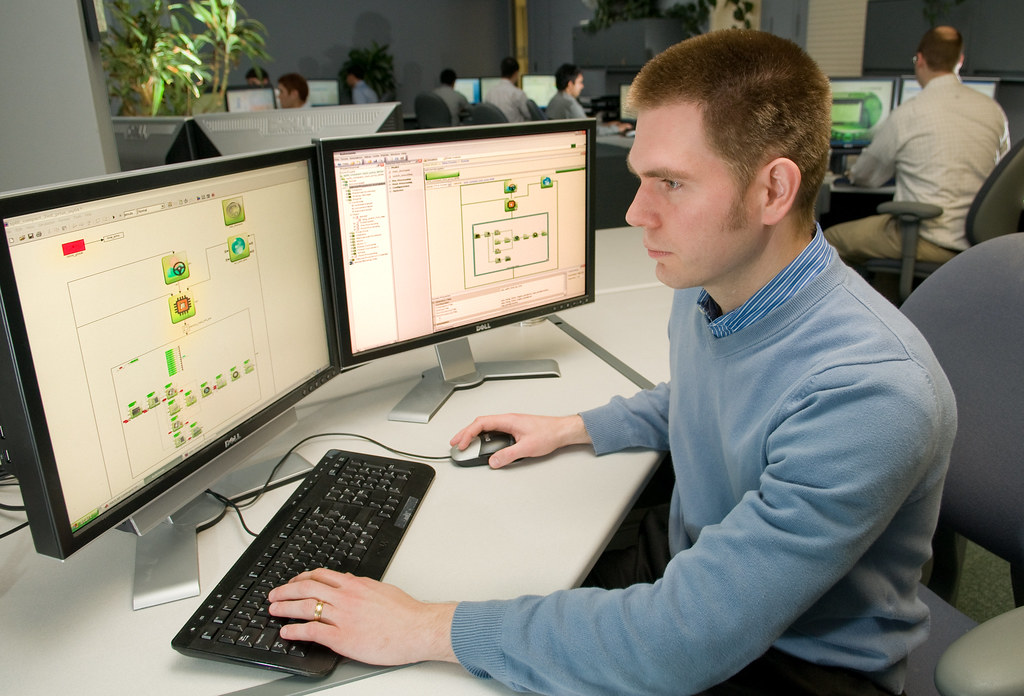
As we step into 2026, software development is evolving at an unprecedented pace. Artificial intelligence is no longer an auxiliary tool but a core driver reshaping how applications are designed, built, and maintained. Leading analysts from Gartner, Deloitte, IBM, and others predict that AI integration, security enhancements, and platform innovations will dominate the landscape. These software development trends 2026 emphasize efficiency, scalability, and trust in an era of rapid digital transformation.
Organizations that adapt to these shifts will gain significant competitive advantages, while those that lag risk falling behind. This article outlines the top 10 software development trends for 2026, drawing from industry reports and expert insights to help developers and leaders prepare.

The Rise of AI Agents—Collaborative Intelligence
1. Agentic AI and Autonomous Agents
Agentic AI systems, capable of pursuing goals with limited human oversight, are transforming the software development lifecycle (SDLC). In 2026, these agents will autonomously handle tasks like code generation, testing, and deployment. Tools enabling “spec-driven development”—where developers outline requirements and AI implements them—are gaining traction.
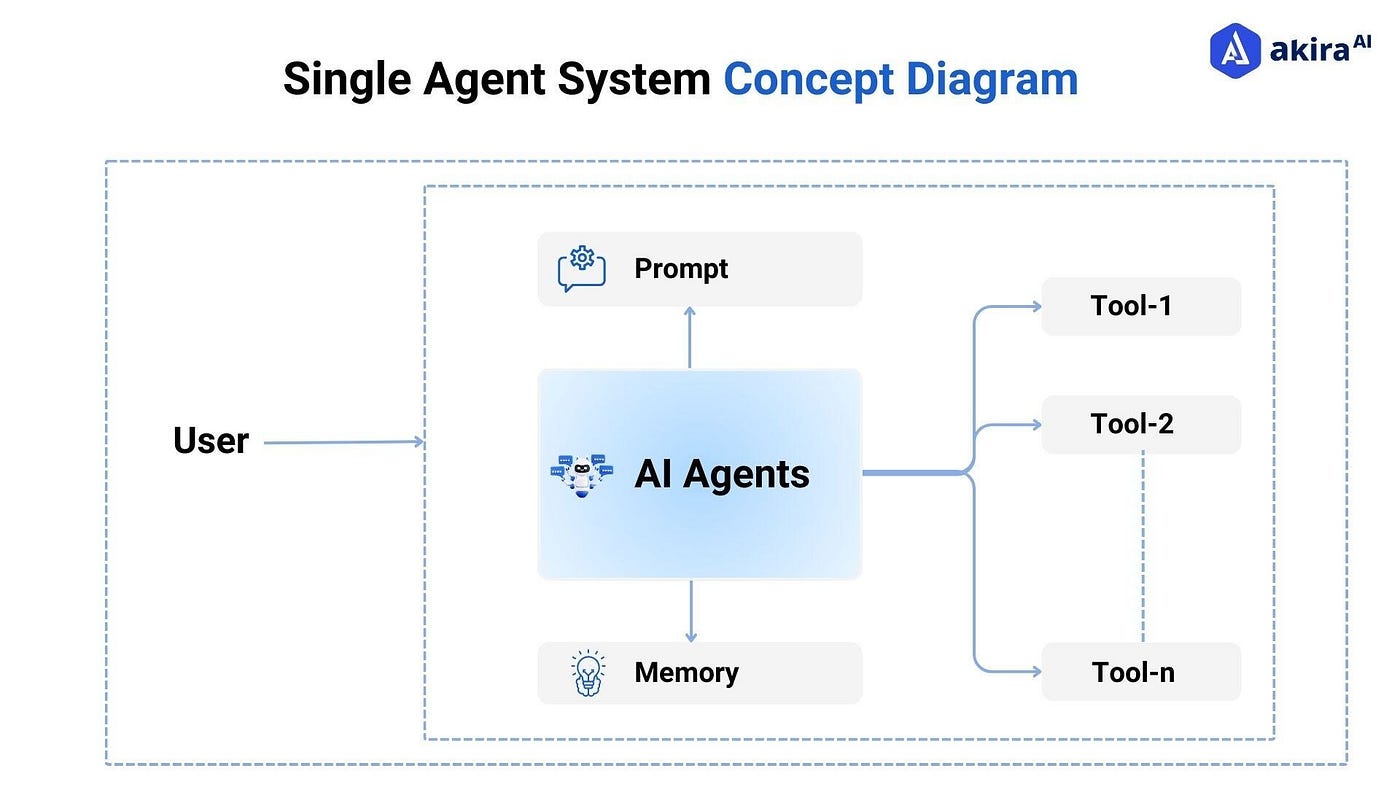
Multi-Agent AI Systems:Foundational Concepts and Architectures …
2. Multi-Agent Systems
Multi-agent systems take collaboration further by orchestrating specialized AI agents to tackle complex projects. Gartner highlights this as a key trend, enabling modular automation that scales efficiently. These systems will excel in areas like workflow orchestration and problem-solving, reducing development time significantly.
3. AI-Native Development Platforms
AI-native platforms, built specifically for generative AI integration, empower small teams to deliver enterprise-grade software rapidly. Gartner describes these as “fast, flexible, and increasingly enterprise-ready,” shifting focus from manual coding to high-level design and oversight.
4. Low-Code and No-Code Platforms
The low-code/no-code revolution continues to accelerate, with predictions that these platforms will power 70-75% of new enterprise applications by 2026. These tools democratize development, allowing citizen developers to build sophisticated apps via drag-and-drop interfaces and natural language prompts.
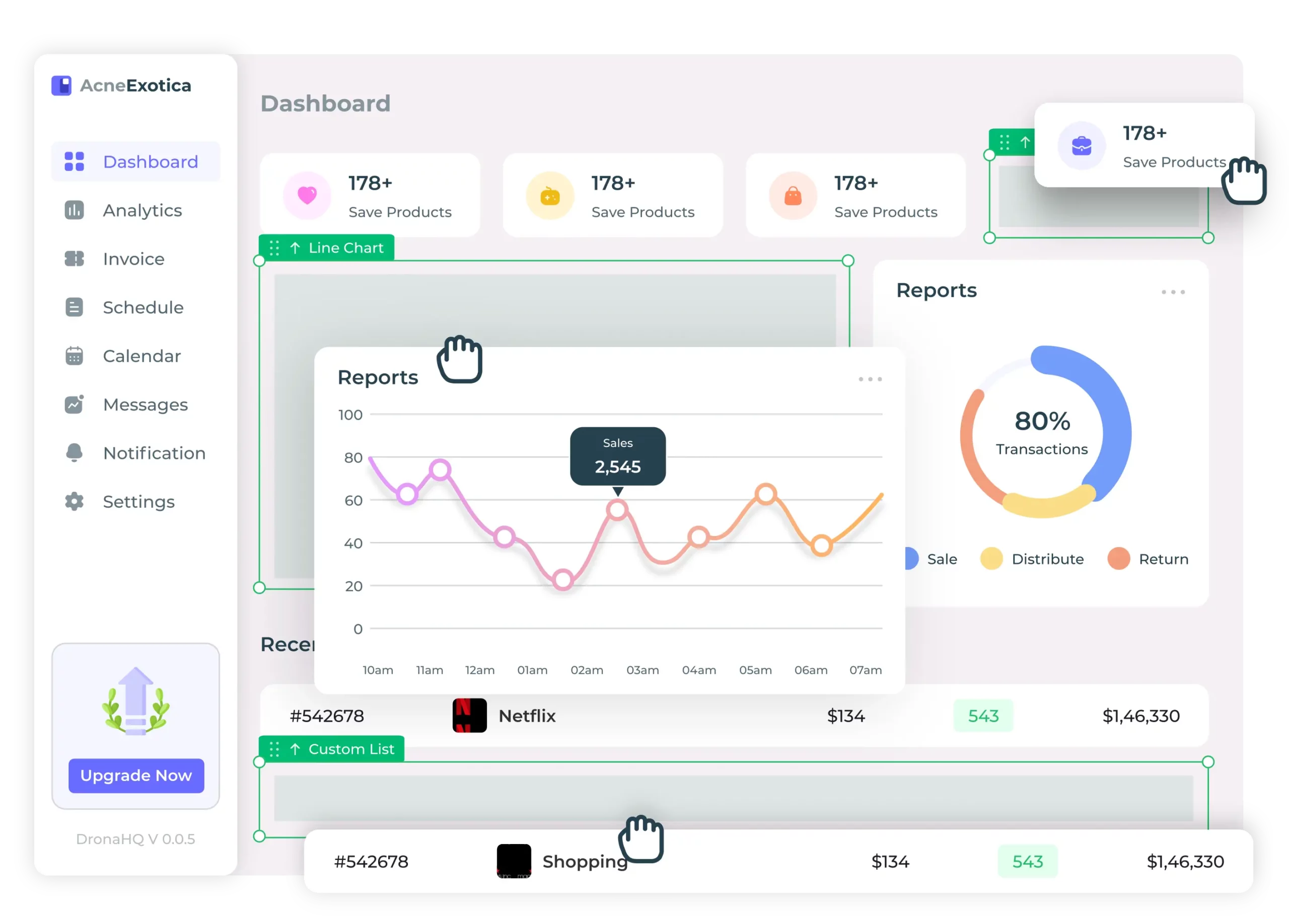
What is Low-Code? Understand benefits, use-cases, trends in 2024
5. Platform Engineering 2.0
Platform engineering is maturing into AI-ready internal developer platforms (IDPs) that provide self-service infrastructure with built-in guardrails and intelligent defaults. This trend reduces cognitive load on developers, standardizes workflows, and accelerates delivery while ensuring compliance.
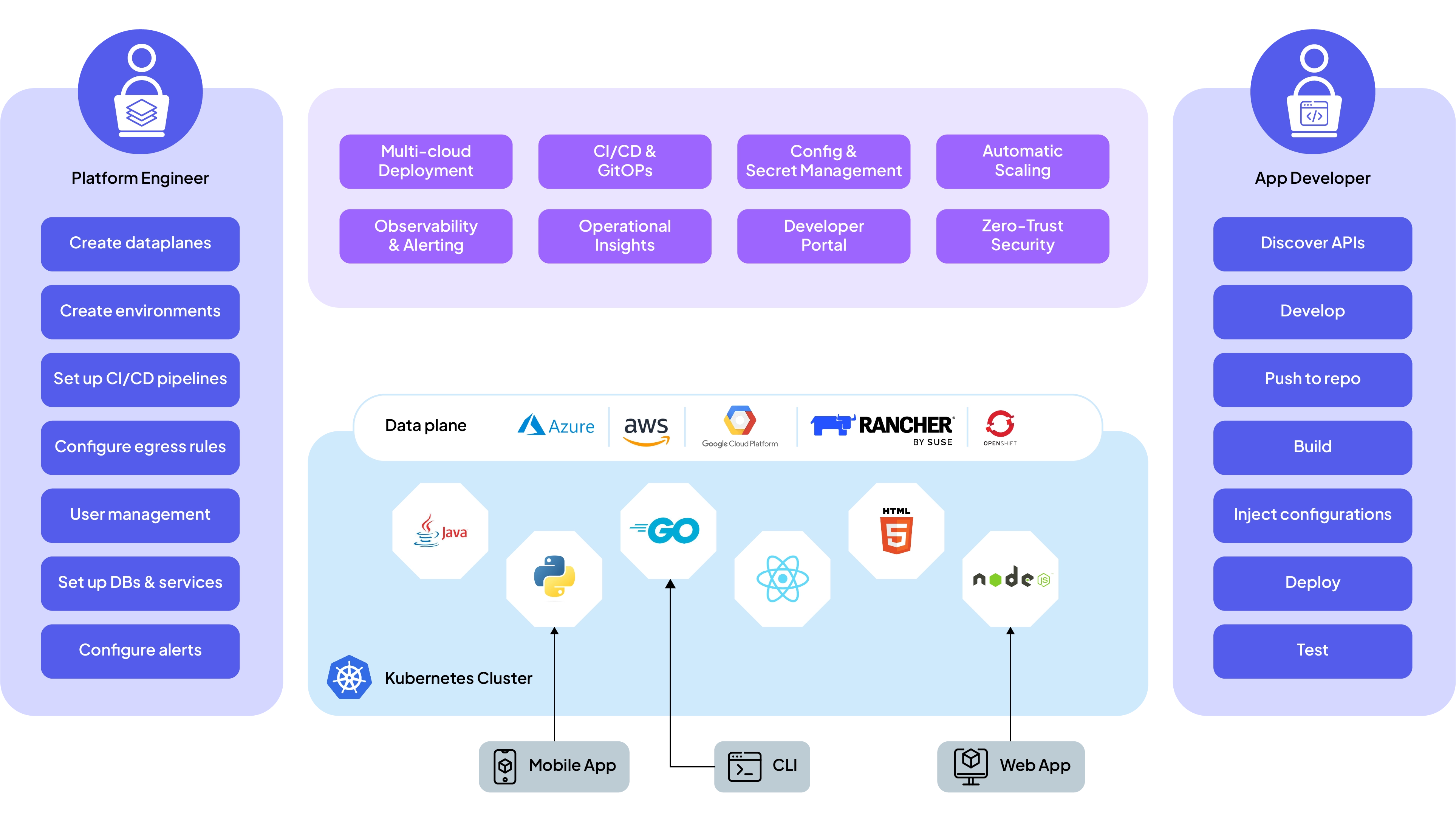
What Is an Internal Developer Platform (IDP)?
6. Software Supply Chain Security
As attacks on open-source dependencies rise, supply chain security is becoming the new DevSecOps baseline. Practices like software bills of materials (SBOMs), artifact signing, and provenance tracking are essential to prevent vulnerabilities in AI-augmented workflows.

Your Guide to Software Supply Chain Security | OX Security
7. Confidential Computing
Confidential computing protects data during processing, even on untrusted infrastructure. This technology is critical for secure AI training and analytics, enabling collaboration across clouds without exposing sensitive information. Gartner identifies it as a foundational enabler for 2026.
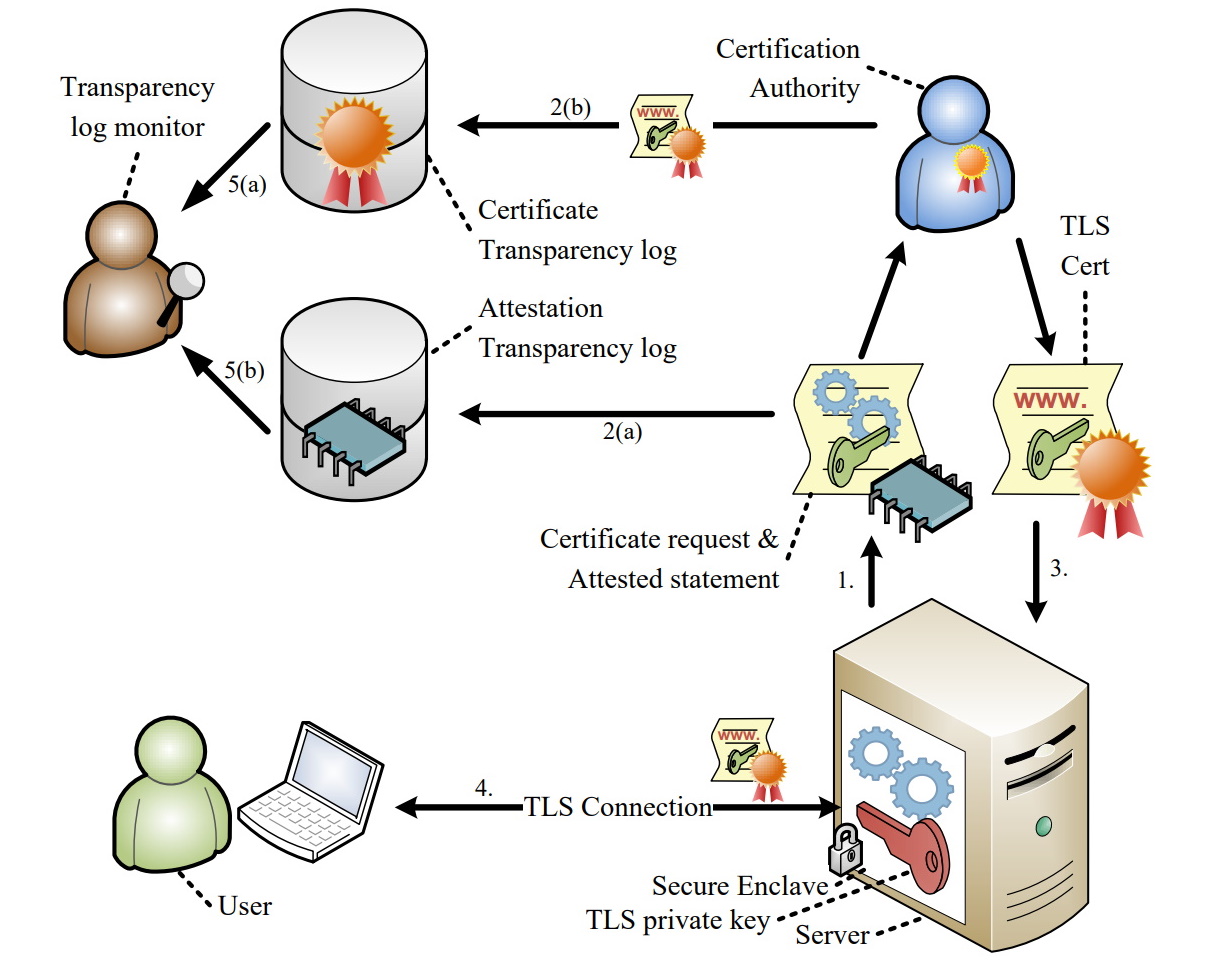
What Is Confidential Computing? | NVIDIA Blogs
8. Hybrid and Edge Computing Infrastructures
With inference costs dropping dramatically, organizations are adopting hybrid models combining cloud, on-premises, and edge computing. This optimizes performance for real-time applications and AI workloads, balancing elasticity with control.

What Is Edge Computing and Why It Matters in 2026 : r/IOT
9. Preemptive Cybersecurity
Cybersecurity is shifting from reactive to proactive, with AI-driven systems anticipating and blocking threats before execution. This includes centralized AI security platforms for visibility across custom and third-party models.
10. Advanced Observability and FinOps Integration
Observability is evolving with standardized telemetry (e.g., OpenTelemetry) and AI-assisted analysis. Coupled with FinOps practices—integrating cost controls into DevOps—these trends promote sustainable cloud and AI spending alongside reliable insights.
Preparing for the Future of Software Development
The software development trends 2026 reveal a clear trajectory: AI will augment human ingenuity, security will be embedded by design, and platforms will abstract complexity. Success in this era requires investment in upskilling, robust governance, and strategic adoption of these technologies.
By embracing agentic AI, secure platforms, and efficient infrastructures, teams can deliver faster, safer, and more innovative software. The future of development is collaborative—between humans and intelligent systems—promising unprecedented productivity and creativity.
