

In 2026, blogging remains one of the most accessible ways to build an online presence, share your expertise, and generate real income. With AI tools streamlining content creation and search engines prioritizing helpful, authoritative content, new creators have more opportunities than ever to launch a profitable blog. Successful bloggers earn anywhere from a few hundred to tens of thousands of dollars monthly through diversified revenue streams.
The key difference between a hobby blog and a profitable one lies in strategy from day one. This step-by-step guide walks you through how to start a blog in 2026, from choosing a niche to scaling your earnings. Whether you’re aiming for side income or a full-time business, these proven steps will set you up for long-term success.


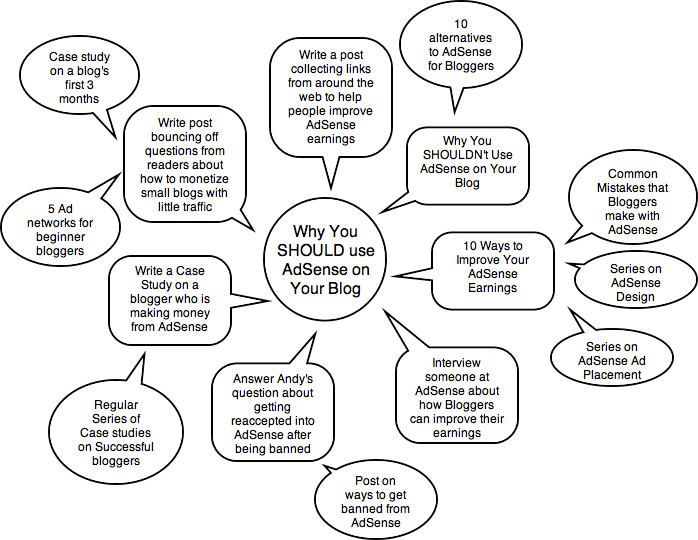
Step 1: Choose a Profitable Niche
Your niche determines everything—your audience, content ideas, and monetization potential. The most profitable blog niches for 2026 combine personal passion with market demand and revenue opportunities.
Top performers include:
- Digital marketing and making money online
- Tech and AI
- Personal finance
- Health and wellness
- Sustainable living
Micro-niches with lower competition, like AI tools for small businesses or eco-friendly parenting, often grow faster.
To validate your idea:
- Brainstorm topics you’re knowledgeable about and enjoy.
- Use tools like Google Trends, Ahrefs, or SEMrush to check search volume.
- Analyze competitors—look for gaps where you can offer unique value.
- Consider monetization early: Niches with affiliate programs, digital products, or sponsorship potential (like finance or tech) convert better.
Pro tip: Start narrow. You can always expand later.

Step 2: Select the Best Blogging Platform
The right platform affects your control, customization, and earnings potential. In 2026, best blogging platforms balance ease of use with scalability.
- WordPress.org (self-hosted): The top choice for serious bloggers. It offers full ownership, thousands of plugins, and excellent SEO capabilities. Pair it with affordable hosting like Hostinger or SiteGround for optimal performance.
- Squarespace or Wix: Great for beginners who prioritize design. Beautiful templates, but limited monetization flexibility compared to WordPress.
- Ghost or Beehiiv: Ideal if you’re focusing on newsletters alongside blogging.
- Medium or Substack: Easy to start, but you don’t own your audience and revenue shares are lower.
For profitability, WordPress.org wins hands down—it powers most high-earning blogs in 2026.
Step 3: Set Up Your Blog Technically
Once you’ve chosen your platform, get your blog live quickly.
- Buy a domain name (aim for .com, short and memorable).
- Sign up for hosting (many offer one-click WordPress installation).
- Install a clean, fast theme (like Astra or GeneratePress).
- Add essential plugins: Yoast SEO or Rank Math for optimization, WP Rocket for speed, and a security plugin.
- Create core pages: About, Contact, Privacy Policy, and Disclaimer (crucial for affiliate marketing).
Budget: You can launch for under $100/year with reliable hosting.
Step 4: Create High-Quality, Consistent Content
Content is your foundation. In 2026, search engines reward helpful, experience-based posts that demonstrate EEAT (Experience, Expertise, Authoritativeness, Trustworthiness).
Best practices:
- Write in-depth guides (2,000+ words) that solve real problems.
- Use clear headings, bullet points, and images for readability.
- Incorporate personal stories and original insights—AI-generated content alone won’t rank well.
- Publish consistently: Aim for 1-2 posts per week initially.
- Repurpose content across formats (YouTube shorts, newsletters) for maximum reach.
Tools like Jasper or ChatGPT can help with outlines, but always edit heavily for your voice.
Step 5: Master SEO from Day One
SEO drives free, sustainable traffic. Key SEO tips for bloggers 2026:
- Research keywords with low competition but decent volume (long-tail phrases like “best budget AI tools for beginners 2026”).
- Optimize on-page elements: title tags, meta descriptions, headings, and internal linking.
- Build topical authority by creating content clusters around pillar topics.
- Focus on user experience: fast loading, mobile-friendly design.
- Earn backlinks through guest posting and creating link-worthy content.
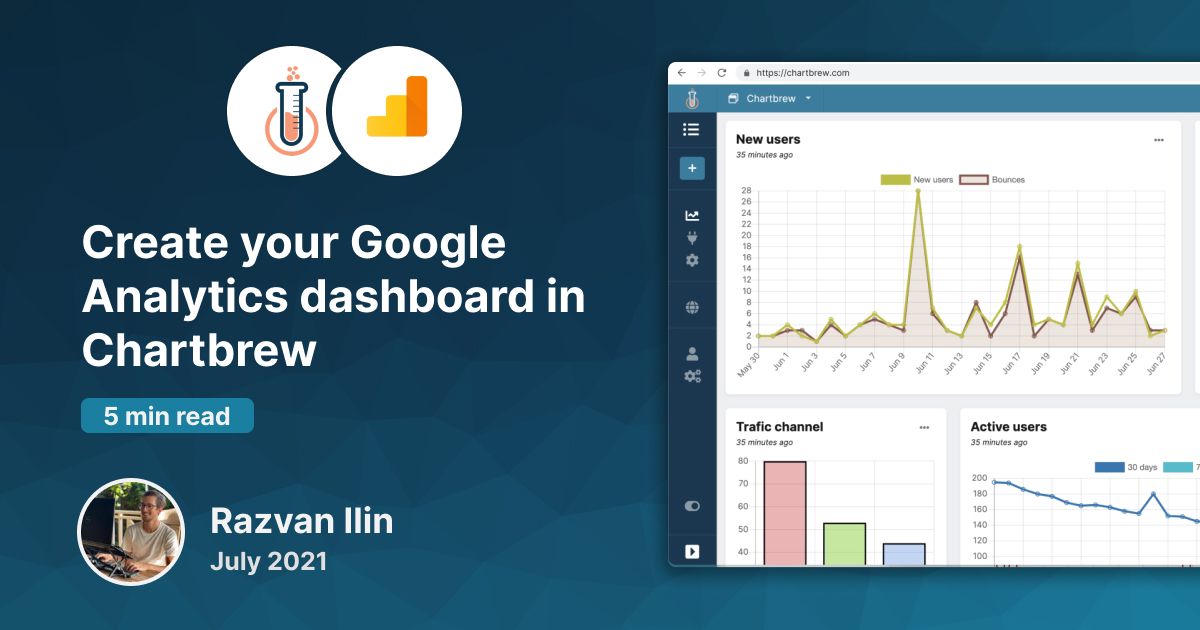
Track progress with Google Analytics and Search Console.
![What Is an Analytics Dashboard? [With Examples & Tips]](https://static.semrush.com/blog/uploads/media/15/7c/157c29471f8f15125e87c0aca2fdc425/b4f8185bc4c7dbfb236053e706e732f3/semrush-project-analytics-dashboard.png)
Step 6: Build Your Audience Strategically
Traffic doesn’t come overnight, but consistent promotion accelerates growth.
Top strategies for building blog audience 2026:
- Grow an email list from day one—it’s your most valuable asset. Offer lead magnets (free checklists, mini-courses) via popups or content upgrades.
- Share content on Pinterest, Reddit, and niche communities (avoid spamming).
- Leverage social media wisely—focus on 1-2 platforms where your audience hangs out.
- Collaborate with other bloggers through interviews or roundups.
- Consider paid ads once you have proven content.
Email subscribers convert 10x better than social followers, so prioritize list building.
Step 7: Implement Smart Monetization Strategies
Don’t wait until you have massive traffic—start small and scale.
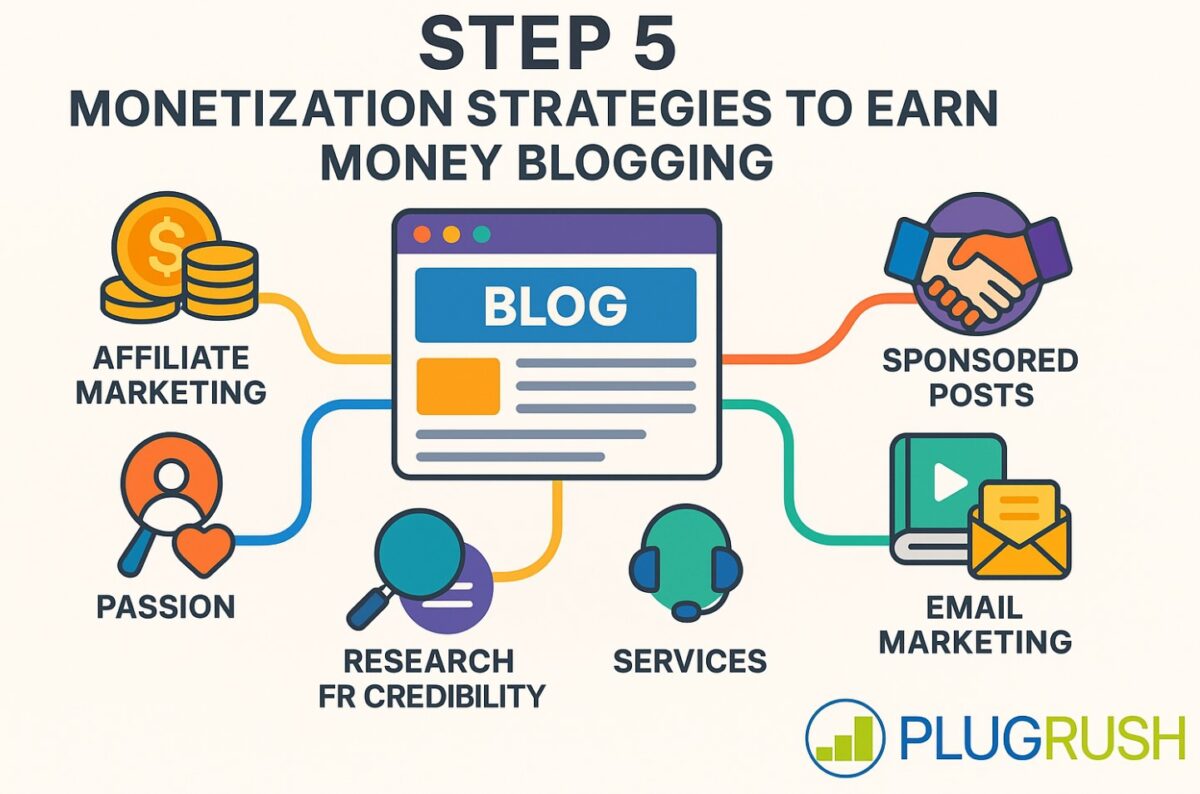
Proven blog monetization strategies 2026:
- Affiliate marketing — Promote relevant products (Amazon Associates, software tools) with honest reviews.
- Display ads — Join networks like Mediavine or AdThrive once you hit traffic thresholds.
- Digital products — Sell ebooks, courses, or printables—high margins and scalable.
- Sponsored content — Partner with brands in your niche.
- Memberships/subscriptions — Offer premium content via Patreon or built-in tools.
Diversify: Most successful blogs use 3-4 methods.

Step 8: Analyze, Optimize, and Scale
Use data to guide decisions. Monitor:
- Google Analytics for traffic sources
- Affiliate dashboards
- Email open rates
Test headlines, posting times, and content formats. Double down on what works.
As you grow, outsource tasks (writing, design) or hire help to maintain consistency.
Final Thoughts
Building a profitable blog in 2026 requires patience—most see meaningful income after 6-12 months of consistent effort. But the potential is real: freedom, impact, and financial independence.
Start today with one step: choose your niche and get your site live. The blogging landscape rewards creators who provide genuine value and adapt to changes.
