
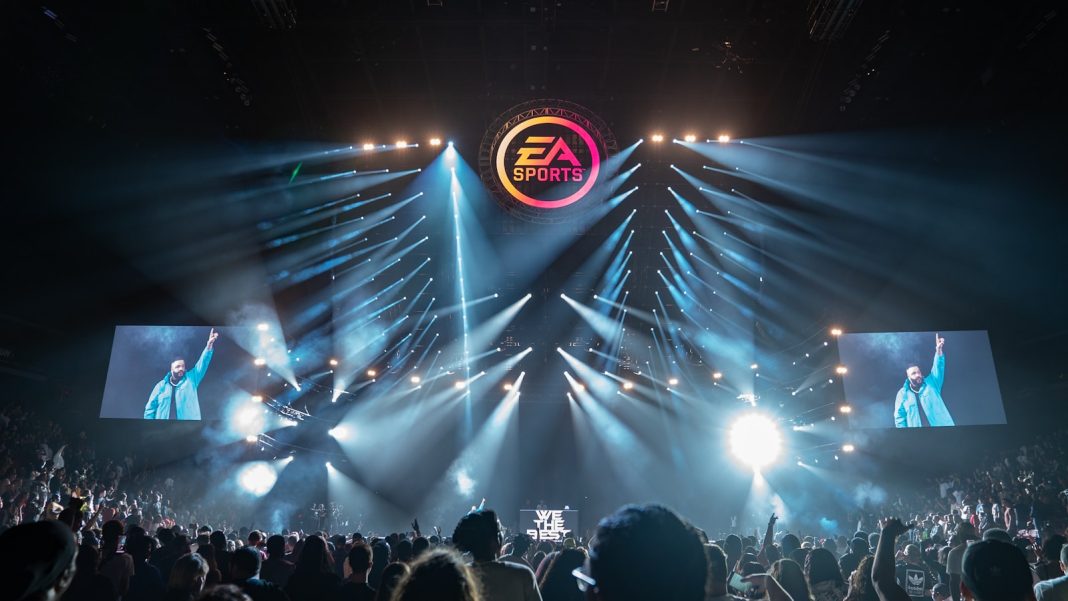
Popular culture in early 2026 is less a single conversation than a cacophony of overlapping voices—global, digital, nostalgic, and urgently present all at once. It moves at the speed of algorithms yet often circles back to analog comforts. It is shaped by billion-dollar franchises and bedroom creators in equal measure. More than entertainment, it is the shared language through which millions process identity, politics, joy, and anxiety in a world that feels both hyper-connected and deeply fragmented.
Short-Form Dominance and the Attention War
The defining format of 2026 remains the vertical video. TikTok, Instagram Reels, and YouTube Shorts continue to set the cultural tempo, launching sounds, dances, and aesthetic micro-trends that spread globally within hours. A single audio clip—whether a sped-up vintage track, a comedic skit, or an AI-generated voice—can dominate playlists and conversations for weeks.
Yet signs of fatigue are visible. Creators and audiences alike complain of burnout from endless scrolling. In response, a counter-trend toward “slow content” has emerged: long-form YouTube essays, detailed Substack threads, and podcast deep dives gain loyal followings. The most successful creators now master both modes—hook in fifteen seconds, reward with substance for those who stay.
Nostalgia as Emotional Refuge
Nostalgia remains one of the strongest currents. Early 2026 has seen waves of Y2K and mid-2010s revivals: low-rise silhouettes, flip phones as fashion statements, and playlists heavy on 2016 trap and tropical house. Television reboots and franchise extensions feed the same hunger for familiarity in uncertain times.
This is not mere escapism. In an era of climate anxiety, geopolitical tension, and rapid technological change, revisiting culturally “simpler” eras offers emotional regulation. The past feels safer because it is finished; its conflicts are resolved, its aesthetics resolved into pure vibe.
Global Pop and the End of American Centrism
American pop culture no longer automatically dominates global charts and conversations. K-pop groups, Latin artists, Afrobeats stars, and South Asian fusion acts routinely top streaming charts worldwide. Non-English language tracks regularly hit Billboard’s global Top 10, and international tours sell out faster than many domestic ones.
Streaming platforms deserve much of the credit—they recommend based on taste rather than geography. A teenager in São Paulo discovers Amapiano the same week a listener in Seoul finds Jersey club. The result is a richer, more hybridized soundscape where genre boundaries blur faster than ever.
Cinema and Television: Fragmentation and Eventization
Theatrical blockbusters still exist, but they are fewer and more eventized. Audiences save big-screen trips for spectacle-driven franchises or cultural moments too large to experience at home. Meanwhile, streaming series—especially limited runs of 6–10 episodes—dominate water-cooler discussion.
Reality television has evolved beyond dating and survival formats into sophisticated social experiments (The Traitors, The Circle) that play with trust, identity, and performance in ways that feel eerily relevant to online life. Documentary series on subcultures, scandals, and historical reassessments also thrive, offering the comforting illusion of understanding a chaotic world.
Fashion, Beauty, and Consumer Rituals
Fashion cycles have accelerated to the point of absurdity, yet certain aesthetics endure. “Quiet luxury” coexists with maximalist dopamine dressing; balletcore lingers alongside gorpcore and office siren looks. Sustainability claims are scrutinized more fiercely than ever—consumers increasingly demand transparency over mere marketing.
Beauty trends favor individuality over conformity: skinimalism, bold graphic liners, and “wrong shoe theory” deliberate clashes. The biggest shift is generational—Gen Alpha begins influencing family purchasing decisions, bringing childlike playfulness (bright colors, character collaborations) into adult wardrobes.
Technology’s Double-Edged Presence
AI tools are now routine in creative production, from music composition to visual effects to fan edits. While some fear homogenization, others celebrate democratization: bedroom producers achieve polished results once reserved for major studios.
Virtual and augmented experiences expand—virtual concerts, immersive gaming worlds, and metaverse fashion shows draw huge audiences. Yet a parallel movement rejects constant mediation. Vinyl sales continue rising, film photography enjoys a renaissance, and “no-phone” events sell out. The tension between digital abundance and analog scarcity defines much of the cultural mood.
Why It Matters
Popular culture has always reflected societal priorities, but in 2026 the reflection is unusually clear—and unusually rapid. Trends that once took years to spread now rise and fall in months. Collective joys (a global dance challenge) and collective griefs (viral awareness campaigns) alike find instant expression.
At its best, this democratized culture fosters connection across borders and identities. At its worst, it amplifies outrage, misinformation, and performative activism. The challenge for participants—creators and consumers alike—is to engage consciously: to curate feeds that enrich rather than exhaust, to support art that challenges rather than merely comforts, and to remember that behind every trend is a human attempting to make meaning.
In 2026, popular culture remains what it has always been: the stories we tell ourselves about who we are, who we wish to be, and how we wish to live together. The mediums change, the speed intensifies, but the fundamental impulse endures.
