
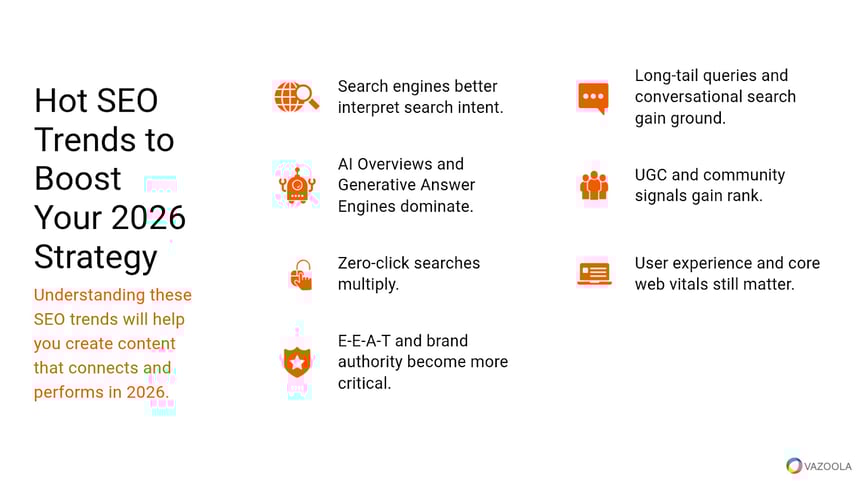
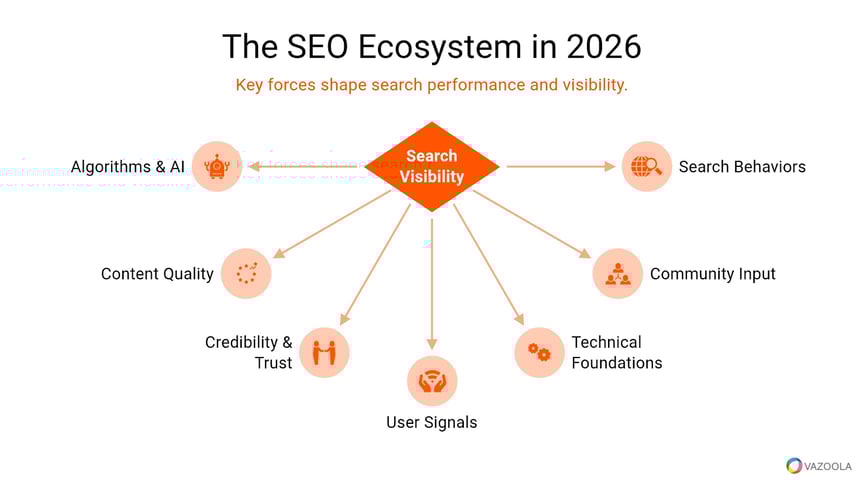
As we navigate early 2026, search engine optimization has transformed into a sophisticated blend of human insight, technical precision, and AI adaptation. Google’s algorithm continues to prioritize helpful, trustworthy content while integrating generative features like AI Overviews more deeply into search results. Traditional rankings remain crucial, but visibility now extends to AI-generated answers, voice responses, and multi-platform ecosystems.
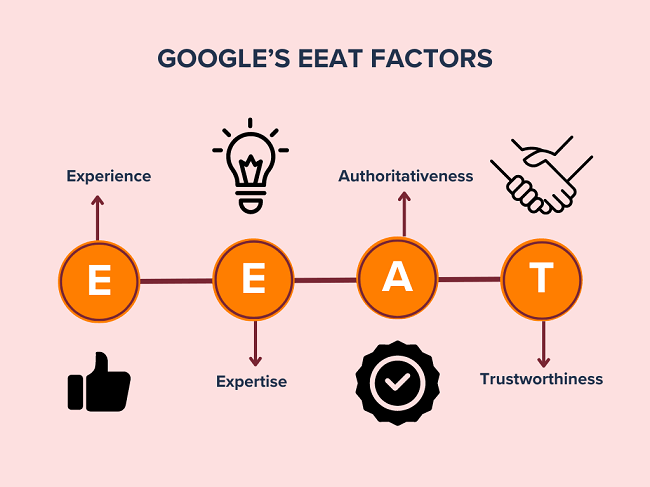
Experts agree that SEO trends 2026 revolve around Experience, Expertise, Authoritativeness, and Trustworthiness (EEAT), AI optimization (AIO), semantic search, and diversified traffic sources. Success demands moving beyond basic keyword stuffing to creating content that builds genuine authority and resonates across search formats. This guide explores advanced techniques to elevate your rankings in this dynamic landscape.
Mastering EEAT: The Foundation of Modern SEO
EEAT has emerged as the most critical ranking signal in 2026, surpassing many traditional factors in influence. Google uses these criteria to evaluate content quality, especially for YMYL (Your Money or Your Life) topics, but they’re increasingly applied site-wide.
To excel:
- Demonstrate Experience: Share first-hand insights, case studies, or personal stories. Author bios with verifiable credentials boost signals.
- Showcase Expertise: Cite sources, include data-backed claims, and feature contributions from recognized specialists.
- Build Authoritativeness: Earn mentions from reputable sites, foster branded searches, and encourage user-generated content like reviews.
- Establish Trustworthiness: Use secure sites (HTTPS), transparent about pages, accurate information, and clear authorship.
Advanced tactic: Create entity-based profiles. Optimize for knowledge graph inclusion by consistently using schema markup for authors, organizations, and topics. This helps Google understand and trust your brand as an entity.
In 2026, sites with strong EEAT often appear in AI citations even without direct links, amplifying visibility.
Optimizing for AI Overviews and Generative Search
Google’s AI Overviews now dominate many queries, providing synthesized answers at the top of results. To rank here—or drive traffic despite them—focus on AI optimization (AIO).
Key techniques:
- Structure content for easy parsing: Use clear headings, bullet points, tables, and concise paragraphs.
- Answer micro-intents: Target specific user questions with direct, authoritative responses.
- Provide unique value: AI pulls from consensus sources, so original research, expert quotes, or fresh data stand out.
- Optimize for citations: High-EEAT sites with structured data are more likely to be referenced.
Advanced approach: Create “answer engine optimized” content. Write in natural language that mirrors conversational queries, and include comparative tables or step-by-step guides that AI can easily summarize.
While AI Overviews reduce clicks for informational queries, they drive qualified traffic for commercial intent when your site is cited.


Building Topical Authority Through Content Clusters
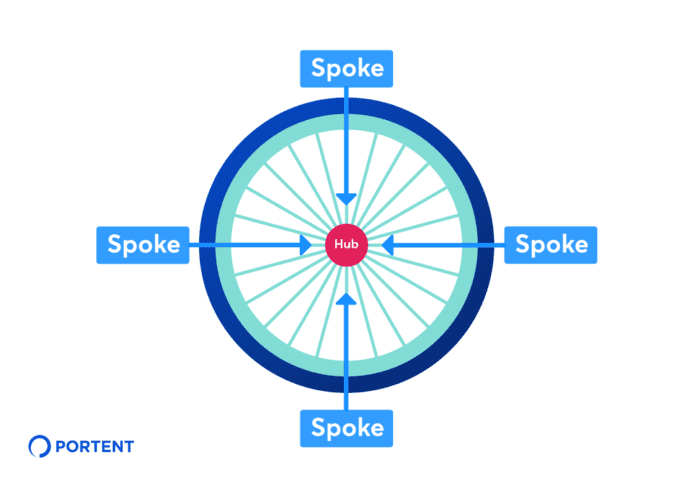
Semantic SEO and content clustering dominate 2026 strategies. Instead of isolated articles, build interconnected content hubs.
The hub-and-spoke model:
- Create comprehensive pillar pages covering broad topics.
- Link to supporting cluster content addressing subtopics.
- Internally link everything strategically.
This signals topical depth to Google, improving rankings across related queries.
Advanced tactics:
- Use entity optimization: Mention related concepts, people, and places naturally.
- Incorporate user-generated content: Forums, comments, or reviews add freshness and authenticity.
- Refresh and expand clusters regularly based on search console data.
Tools like entity explorers help identify gaps and opportunities within your niche.

Advanced Technical SEO and Core Web Vitals
Technical excellence remains non-negotiable. Core Web Vitals continue to influence rankings, with stricter thresholds in mobile experience.
Focus on:
- Interaction to Next Paint (INP): Optimize JavaScript execution and user interactions.
- Largest Contentful Paint (LCP): Improve server response times and resource loading.
- Cumulative Layout Shift (CLS): Ensure visual stability.
Advanced techniques include edge computing for faster delivery, predictive prefetching, and AI-driven performance auditing.
Implement schema markup extensively—especially for FAQs, how-tos, and products—to enable rich results and AI parsing.

Voice and Visual Search Optimization
With voice assistants and visual search growing, conversational queries are reshaping SEO.
Strategies:
- Target long-tail, question-based keywords.
- Optimize for featured snippets (position zero).
- Use structured data for spoken answers.
- Create video content for YouTube and visual platforms.
Advanced: Develop content that answers follow-up questions, creating conversational flows that voice AI can navigate.


Branded Search and Traffic Diversification
Relying solely on organic search is risky in 2026. Build branded search volume through social media, email marketing, and community building.
Encourage direct visits and brand mentions—these signal relevance to algorithms.
Diversify with YouTube SEO, Reddit communities, and emerging platforms where AI search pulls content.
Final Thoughts: Adapt and Thrive
SEO in 2026 rewards creators who prioritize user value, build genuine authority, and adapt to AI-driven search. Monitor Google Search Console closely, experiment with new formats, and focus on sustainable growth over quick wins.
The sites ranking highest today combine technical excellence with compelling, human-centered content. Implement these advanced techniques consistently, and you’ll position yourself for success in this evolving landscape.
