
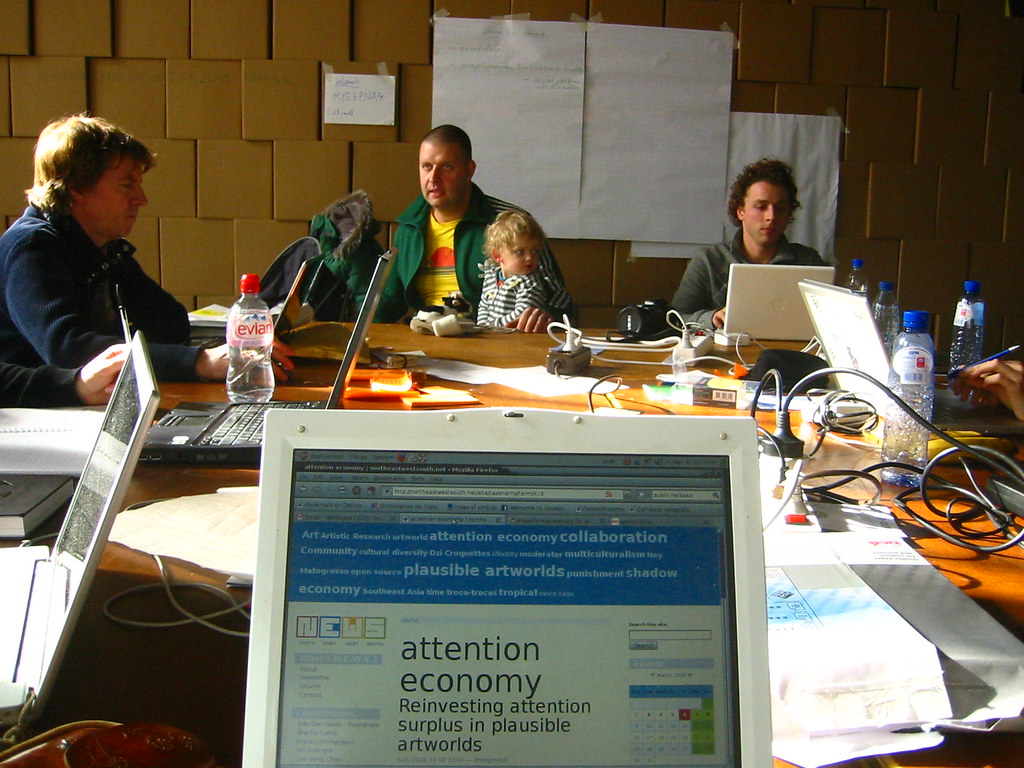
Pop culture has entered a new era—one defined not by talent alone, but by attention. In today’s digital world, attention is currency, and modern pop culture is engineered to capture, hold, and monetize it. From viral videos and trending music to celebrity controversies and online fandoms, everything competes in what experts now call the attention economy.
Understanding how attention shapes pop culture explains why trends move faster, why fame feels more fragile, and why audiences often feel overwhelmed yet unable to look away.
What Is the Attention Economy?
The attention economy refers to a system where human attention is a scarce and valuable resource. Platforms, creators, brands, and media companies all compete to keep users engaged for as long as possible.
In traditional pop culture, success was measured by album sales, box office revenue, or TV ratings. Today, success is measured by:
- Watch time
- Click-through rates
- Engagement metrics
- Shares and saves
Modern pop culture doesn’t just entertain—it demands attention.
How Social Media Rewired Pop Culture Consumption
Before social media, pop culture followed predictable cycles. Albums released annually. Movies premiered seasonally. Celebrities maintained mystique.
Now, platforms like TikTok, Instagram, X, and YouTube have reshaped consumption patterns:
- Content is constant
- Trends refresh daily
- Audiences scroll endlessly
Pop culture is no longer something we seek out—it is something that finds us.
Algorithms decide which songs become hits, which celebrities trend, and which moments define a cultural era. The result is a culture optimized for immediacy rather than permanence.
Why Everything Feels Faster—and Shorter
One of the most noticeable effects of the attention economy is cultural acceleration.
Trends that once lasted months now peak and disappear within days. Catchphrases, fashion styles, memes, and viral personalities burn brightly and vanish quickly.
This happens because:
- Platforms reward novelty
- Audiences crave constant stimulation
- Older content loses algorithmic visibility
As a result, pop culture feels exciting but unstable—always changing, rarely settling.
Virality vs. Legacy: A Cultural Trade-Off
In the attention economy, virality often matters more than longevity.
A viral moment can generate millions of views, but it doesn’t always create lasting cultural impact. Many viral creators struggle to convert attention into sustainable careers.
This has created a divide in modern pop culture:
- Viral success brings immediate visibility
- Cultural legacy requires consistency and depth
Artists, influencers, and entertainers must now balance short-term engagement with long-term relevance—a difficult task in an algorithm-driven environment.
Celebrity Culture in the Age of Constant Exposure
Modern celebrity culture is radically different from the past.
Celebrities are now:
- Always online
- Constantly observed
- Expected to engage directly with fans
While this creates a sense of intimacy, it also increases pressure. Every post, comment, or silence can become a headline. Public figures must manage not only their careers, but also their digital personas.
Scandals, apologies, and controversies now unfold in real time, often amplified by algorithms that prioritize emotional reactions.
The Role of Outrage and Emotion
In the attention economy, emotion drives engagement.
Content that provokes strong feelings—anger, joy, shock, nostalgia—travels faster than neutral material. This is why pop culture increasingly leans toward:
- Dramatic narratives
- Polarizing opinions
- High-stakes online debates
While emotional content boosts visibility, it can also create fatigue. Many audiences report feeling overwhelmed by constant drama, yet continue consuming it.
Fandoms as Engines of Attention
Fandom culture has become one of the most powerful forces in modern pop culture.
Online fandoms:
- Amplify content through collective action
- Defend creators aggressively
- Influence charts, trends, and narratives
In the attention economy, fandoms act as attention multipliers. Their engagement signals to algorithms that content is valuable, pushing it into wider circulation.
This explains why fan-driven movements often outperform traditional marketing campaigns.
The Psychological Cost of Endless Pop Culture
While the attention economy fuels creativity and access, it also carries psychological consequences.
Audiences experience:
- Information overload
- Reduced attention spans
- Cultural burnout
Creators face:
- Performance anxiety
- Fear of irrelevance
- Pressure to constantly produce
Pop culture consumption is no longer passive—it is immersive, interactive, and mentally demanding.
Can Pop Culture Slow Down?
There is growing resistance to constant stimulation.
Long-form podcasts, slower storytelling, and nostalgic content are gaining popularity. Audiences are seeking:
- Meaning over noise
- Connection over clicks
- Depth over speed
This suggests that while the attention economy dominates distribution, human desire still shapes demand.
The Future of Pop Culture in the Attention Economy
The future of pop culture will likely be defined by balance.
Key trends ahead include:
- Smarter algorithms that reward quality
- Greater audience awareness
- A renewed focus on authentic storytelling
Pop culture will continue to evolve, but attention alone will not be enough. The creators and platforms that succeed long-term will be those that respect their audiences’ time, intelligence, and emotional well-being.
Final Reflection: Attention Is Power
Modern pop culture reveals a simple truth: what we pay attention to becomes valuable.
By understanding the mechanics of the attention economy, audiences can become more intentional consumers, and creators can build more meaningful work. In a world competing for every second, choosing where to focus may be the most powerful cultural act of all.
