
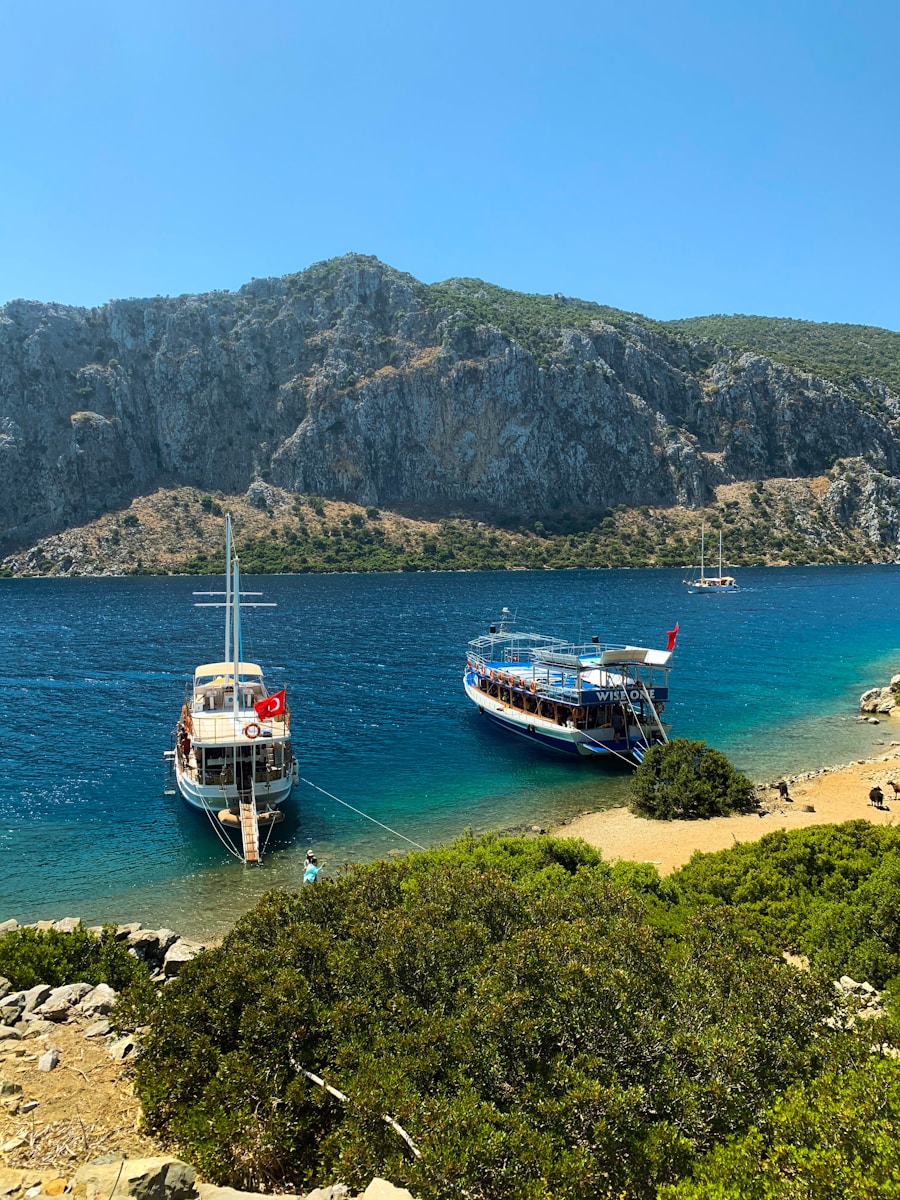
There is a specific shade of blue that exists only in Greece. It is the deep, electric indigo of the Aegean Sea, contrasting sharply against the blinding white stucco of cliffside villages. For travelers, Greece is not just a destination; it is an archetype of the perfect summer vacation.
However, with over 6,000 islands and islets scattered across the eastern Mediterranean (of which only 227 are inhabited), the sheer volume of choice can be paralyzing. Do you go for the party vibes of Mykonos? The history of Rhodes? The beaches of Crete?
This guide breaks down the major island groups to help you craft the perfect itinerary. Whether you are a solo backpacker, a honeymooning couple, or a family seeking relaxation, there is a Greek island calling your name.
1. The Cyclades: The Iconic White-and-Blue Postcard
When you close your eyes and imagine “Greece,” you are likely picturing the Cyclades. Located in the central Aegean, these islands are famous for their arid landscapes, sugar-cube architecture, and blue-domed churches.
Santorini: The Romantic Heavyweight
Let’s address the elephant in the room. Yes, Santorini is crowded. Yes, it is expensive. But it is also visually spectacular. The caldera views from Oia are arguably the most famous vistas in the world.
- Best For: First-timers, honeymooners, and luxury travelers.
- Must Do: Hike the trail from Fira to Oia at sunset. Visit the Red Beach (Kokkini Paralia) for its Mars-like landscape.
Milos: The Rising Star
If Santorini feels too commercial, head to Milos. Known for its lunar landscapes and over 70 beaches, Milos has exploded in popularity on social media but still retains an authentic charm.
- Best For: Adventure seekers and photographers.
- Must Do: Take a boat tour to Kleftiko, a cluster of white volcanic rocks and caves accessible only by sea.
Naxos: The Green Giant
Naxos is the largest of the Cyclades and the most self-sufficient. It is mountainous, green, and famous for its agriculture (the potatoes and cheeses here are legendary). It feels less like a tourist trap and more like a real, working island.
- Best For: Families and foodies.
- Must Do: Visit the Portara (Temple of Apollo) at sunset and explore the mountain village of Apeiranthos.
2. The Ionian Islands: Emerald Waters and Venetian Vibes
On the western side of the Greek mainland, facing Italy, lie the Ionian Islands. These islands are drastically different from the Cyclades. They are lush, forested, and humid, featuring Venetian architecture rather than the stark white Cycladic style.
Corfu (Kerkyra): The Cosmopolitan Queen
Corfu is a blend of French, British, and Venetian influences. Its Old Town is a UNESCO World Heritage site, featuring two massive fortresses and narrow, winding streets known as “kantounia.”
- Best For: History buffs and culture vultures.
- Must Do: Swim in the Canal d’Amour and visit the Achilleion Palace.
Zakynthos (Zante): The visual Stunner
You have seen the picture: a rusty shipwreck resting on a pristine white beach surrounded by electric blue cliffs. That is Navagio Beach on Zakynthos. Beyond this famous spot, the island offers dramatic coastlines and a lively nightlife scene.
- Best For: Beach lovers and party-goers.
- Must Do: Rent a private boat to visit the Blue Caves and see the endangered Caretta-Caretta sea turtles in the Marine Park.
3. The Dodecanese: Medieval History and Endless Sun
Located in the southeastern Aegean, hugging the coast of Turkey, these islands are known for their medieval castles and warmer climate, which extends the tourist season well into October.
Rhodes: The Island of Knights
Rhodes offers one of the best-preserved medieval towns in Europe. Walking through the Street of the Knights feels like stepping onto a movie set.
- Best For: Families and history enthusiasts.
- Must Do: Explore the Palace of the Grand Master and drive to Lindos to see the Acropolis perched above the village.
4. Crete: A Universe of Its Own
Crete is the largest island in Greece. In fact, it is so large and distinct that it almost feels like a separate country. It has its own dialect, its own music, and arguably the best food in Greece.
- Best For: Travelers who have at least a week to explore one place.
- The Vibe: Rugged mountains, pink sand beaches (Elafonisi), and ancient Minoan palaces (Knossos).
- Food Tip: You must try “Dakos” (Cretan rusk salad) and “Kalitsounia” (cheese pies).
Practical Tips for Island Hopping in 2026
Understanding the Ferry System
The Greek ferry system is robust but can be confusing.
- The Hub: The main port is Piraeus (Athens). Most island loops start here.
- The High-Speed vs. The Slow Boat: High-speed catamarans (like Seajets) get you there twice as fast but cost twice as much and can be bumpy in rough seas. Traditional ferries (like Blue Star) are slower, cheaper, and more stable—perfect for enjoying the view from the deck.
- Booking: In 2026, you don’t need to visit a travel agent. Use aggregators like Ferryhopper to book tickets in advance, especially for July and August.
When to Go?
- Peak Season (July-August): Hot, crowded, and expensive. The ferry system runs at full capacity.
- Shoulder Season (May-June & September-October): The “Goldilocks” zone. The water is warm enough to swim, accommodation prices drop by 30-40%, and the crowds thin out.
- Off-Season (November-March): Most islands shut down. Only larger islands like Crete, Rhodes, and Syros remain active.
Travel Etiquette: Being a “Good Tourist”
Over-tourism is a concern in Greece. To be a respectful traveler:
- Water Conservation: Water is scarce on the islands. Keep showers short.
- Plastic Waste: Refill a reusable water bottle. Greece is working hard to reduce single-use plastics.
- Dress Code: When visiting monasteries or churches, cover your shoulders and knees. This applies to both men and women.
Conclusion: Which Island Will You Choose?
The beauty of Greece lies in its diversity. You can spend your morning hiking a volcano, your afternoon exploring a 3,000-year-old ruin, and your evening dancing on a beach bar until sunrise.
Whether you choose the glamour of the Cyclades or the lush greenery of the Ionians, the Greek philosophy of Philoxenia (friend of the stranger) ensures you will be welcomed with open arms.
So, pack your linen shirts, grab your sunscreen, and book that ticket. The Aegean is waiting.
