
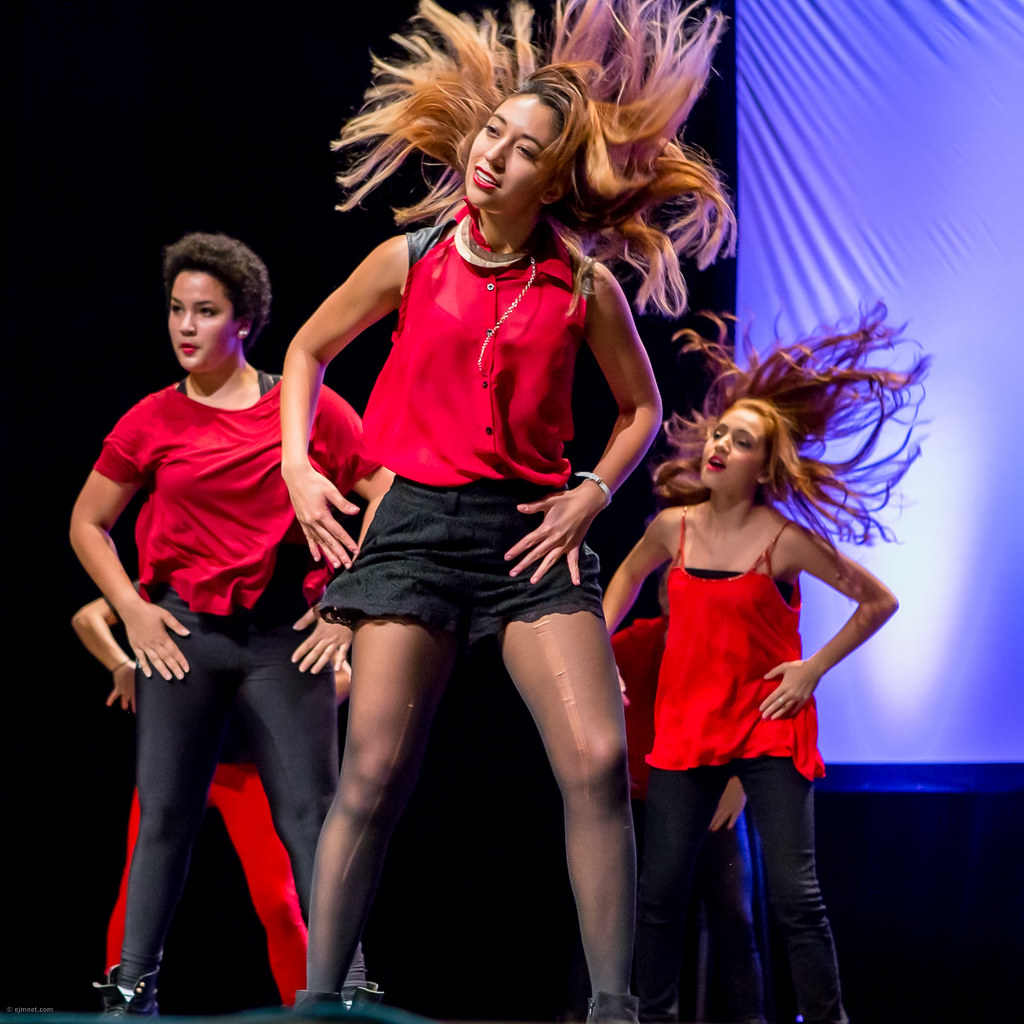
If 2025 was a year of digital saturation and the “Brat” summer hangover, 2026 is shaping up to be the year of the cultural recalibration. We are currently witnessing a fascinating tug-of-war between high-tech AI integration and a deep-seated craving for raw, human-centric nostalgia.
From the long-awaited launch of the decade’s biggest video game to the surprising resurgence of mid-2010s aesthetics, the pop culture trends of 2026 are proving that while we are moving toward the future, we’ve got one eye firmly fixed on the rearview mirror.
In this guide, we dive into the movies, music, technology, and social phenomena defining the zeitgeist right now.
1. The “2016 Nostalgia” Revival: Why 10 Years Later is the Sweet Spot
In a move that has surprised exactly no one in the fashion industry but delighted millions on TikTok, 2026 has officially been dubbed “The New 2016.”
The ten-year cycle is hitting hard. Gen Z and Alpha are romanticizing the “simpler times” of a decade ago. We’re seeing a massive comeback of:
- Snapchat-style aesthetics: The return of high-saturation filters and unpolished, “messy” photo dumps.
- Electronic Dance Music (EDM): Soundscapes reminiscent of The Chainsmokers and Major Lazer are dominating the charts again.
- Pokémon Go 2.0: Augmented reality gaming is having a second “summer of ’16” moment with new, more immersive updates.
This trend isn’t just about fashion; it’s a reaction to the hyper-polished “clean girl” and “quiet luxury” eras. People want to be loud, colorful, and a little bit chaotic again.
2. AI Fandoms and the Rise of “Synthetic Celebrities”
By 2026, AI in entertainment has moved past the “uncanny valley” phase and into mainstream acceptance. We are no longer just using AI to write scripts; we are stanning AI entities.
The Virtual Idol Phenomenon
Following the success of virtual stars in East Asia, 2026 has seen the rise of Western “Synthetic Celebrities.” These are AI-driven personalities with their own Substacks, social media presence, and even Spotify-charting albums.
Note: The controversy isn’t about whether they are real, but rather who owns the “soul” of the AI. Fandoms are now forming around specific AI architects and prompt engineers.
3. The “Blockbuster” Gaming Era: GTA VI and Beyond
The gaming world has been waiting for this moment for over a decade. The release of Grand Theft Auto VI (GTA VI) isn’t just a gaming event; it’s a total takeover of pop culture trends in 2026.
- Fashion Impact: The “Vice City” aesthetic—neon lights, linen suits, and 80s-inspired Miami kitsch—has flooded the spring/summer runways.
- Music Synergy: The game’s soundtrack has become the definitive playlist of the year, catapulting indie artists to global superstardom overnight.
- Interactive Lore: Fans are no longer just playing games; they are living in them through expanded VR/AR hubs that connect the game world to real-world locations.
4. Hollywood’s Literary Obsession: The “English Syllabus” Slate
If you look at the 2026 film slate, it looks remarkably like a college reading list. Hollywood has pivoted away from superhero fatigue and toward high-prestige, “Dark Academia” literary adaptations.
| Movie Title | Lead Actors | Why It’s Trending |
| Wuthering Heights | Margot Robbie & Jacob Elordi | Emerald Fennell’s dark, stylized take on the Brontë classic. |
| Marty Supreme | Timothée Chalamet | A24’s ping-pong biopic that is already eyeing Oscar gold. |
| The Drama | Zendaya & Robert Pattinson | A psychological thriller about a wedding unraveling that has the internet in a chokehold. |
This shift signals a move toward “Cinematic Wellness”—movies that require deep attention and foster intense post-movie discussion in digital book clubs and Substack communities.
5. “Noctourism” and the After-Dark Aesthetic
Pop culture has moved outdoors—but only after the sun goes down. Noctourism (nocturnal tourism) has become the lifestyle trend of 2026. This isn’t just about clubbing; it’s about stargazing, late-night museum “lates,” and “night photography” aesthetics.
- The Look: Dark-mode fashion, reflective materials, and tech-wear.
- The Vibe: A rejection of the “5 AM Morning Routine” culture in favor of the “Slow Night” movement.
6. The Decentralization of Fandom
The era of the “Mega-Platform” is fracturing. In 2026, fans are moving away from ad-heavy mainstream social media and toward decentralized “community hubs.”
From Algorithms to Authenticity
Audiences are tired of being fed content by a “black box” algorithm. Instead, we are seeing the rise of:
- Paid Community Circles: Fans paying for direct access to creators via platforms like Patreon or niche Discord servers.
- Hyper-Local Fan Events: Rather than one giant Comic-Con, fans are organizing smaller, “neighborhood-level” meetups that prioritize face-to-face connection.
- The “Slow Social” Movement: A preference for long-form essays (Substack) and voice-first communication over rapid-fire vertical video.
7. Celebrity News: The Era of “Relatable Privacy”
The way we consume celebrity news has changed. The days of the “paparazzi walk” are being replaced by “Relatable Privacy.” High-profile couples, like Timothée Chalamet and Kylie Jenner, are opting for a low-key, almost “anti-fame” approach, which—ironically—makes the public even more obsessed.
In 2026, the biggest status symbol for a celebrity isn’t a viral red carpet moment; it’s the ability to remain “off-grid” while still maintaining a cult-like following.
Conclusion: What’s Next for Pop Culture?
As we navigate the rest of 2026, the underlying theme is intentionality. Whether it’s choosing to play a 100-hour immersive RPG like GTA VI, attending a midnight stargazing festival, or nostalgia-tripping back to 2016, audiences are no longer passive consumers. We are active participants in the stories we love.
The blend of AI-driven creativity and a fierce protection of human authenticity is creating a pop culture landscape that is more diverse, fragmented, and exciting than ever before.
