

In 2026, affiliate marketing thrives on trust and value rather than aggressive sales tactics. With the industry valued at over $20 billion globally, content websites that prioritize educational, helpful articles consistently outperform promotional-heavy sites. Google’s helpful content updates (refined through 2024-2025) reward sites demonstrating EEAT—Experience, Expertise, Authoritativeness, and Trustworthiness—while penalizing thin or overly sales-focused pages.
Educational articles—informational guides, tutorials, and in-depth explanations—form the backbone of sustainable affiliate revenue. They attract organic search traffic, build audience loyalty, and guide readers naturally toward conversions without feeling pushy. This approach creates a virtuous cycle: High-quality content ranks better, earns backlinks, drives repeat visits, and converts over time.
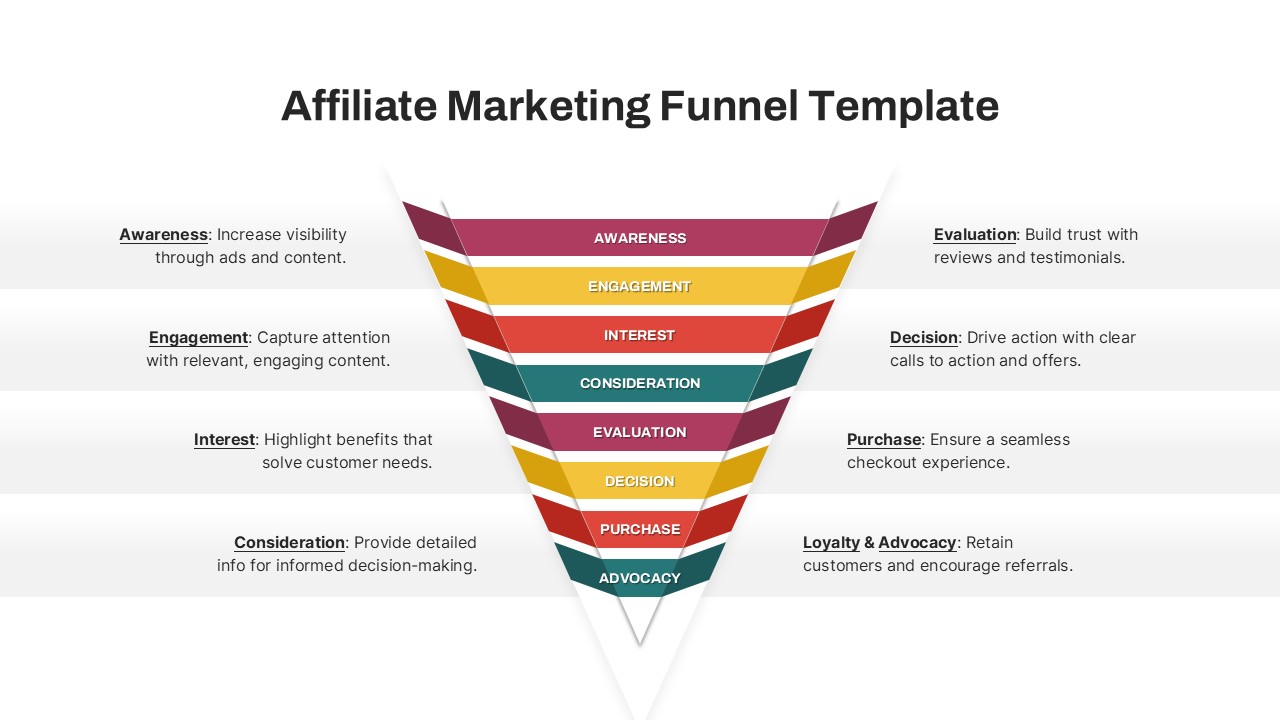
Affiliate Marketing Funnel Template for Customer Journey Optimization
The affiliate marketing funnel: Educational content dominates the awareness and consideration stages, leading to higher-quality conversions.
This guide explores how educational articles bridge the gap from initial content discovery to long-term affiliate earnings, with practical strategies for content creators.
Why Educational Content Outperforms Sales Content
Direct “buy now” promotions often yield short-term spikes but suffer from high bounce rates and poor SEO performance. Educational content flips this:
- Aligns with Search Intent: Most searches are informational (e.g., “how to…” or “best ways to…”). Ranking for these builds topical authority.
- Builds Trust: Readers view you as a helpful resource, not a salesperson. Trust leads to higher click-through on recommendations.
- Evergreen Potential: Timeless topics generate traffic years later, compounding revenue.
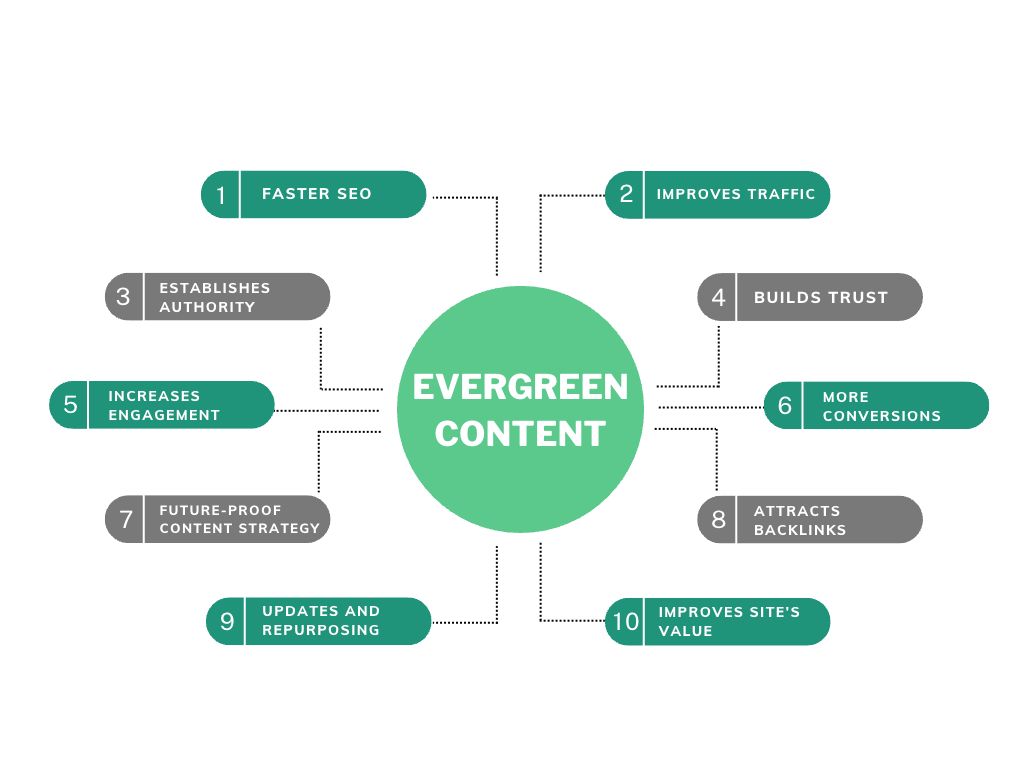
What is Evergreen Content and How Do I Create It? – The Munro Agency
Evergreen educational content delivers steady traffic growth, unlike trendy posts that fade quickly.
Data shows sites focusing on helpful content see 2-5x longer session durations and better conversion rates on affiliate offers.
Mapping Educational Content to the Buyer’s Journey
Successful affiliate sites mirror the buyer’s journey: Awareness → Consideration → Decision.
Educational articles excel in the first two stages, nurturing readers toward purchase-ready intent.

Optimizing the Buyer’s Journey – Qualtrics
The classic buyer’s journey: Educational content guides readers from problem awareness to solution evaluation.
- Awareness Stage (Top-of-Funnel): Readers identify a problem. Articles like “Beginner’s Guide to [Topic]” attract broad searches and introduce concepts.
- Consideration Stage (Middle-of-Funnel): Readers explore solutions. In-depth comparisons or tutorials evaluate options.
- Decision Stage (Bottom-of-Funnel): Readers seek specific recommendations. Resource roundups or reviews seal conversions.
Funnel 70-80% educational content, 20-30% commercial (e.g., “best” lists with links).
Effective Types of Educational Articles That Drive Revenue
Certain formats naturally lead to conversions while providing immense value.
| Article Type | Funnel Stage | Example Title | Conversion Potential | Why It Works |
|---|---|---|---|---|
| Comprehensive Guides | Awareness | “The Complete Guide to Starting [Niche] in 2026” | Medium (builds email lists) | Establishes authority; internal links to monetized posts |
| Step-by-Step Tutorials | Consideration | “How to [Achieve Goal] Using Free Tools” | High (contextual tool links) | Readers follow along and try recommendations |
| Comparison Articles | Consideration/Decision | “Tool A vs. Tool B: Which Is Best for [Use Case]?” | Very High (direct product links) | Side-by-side analysis drives decisions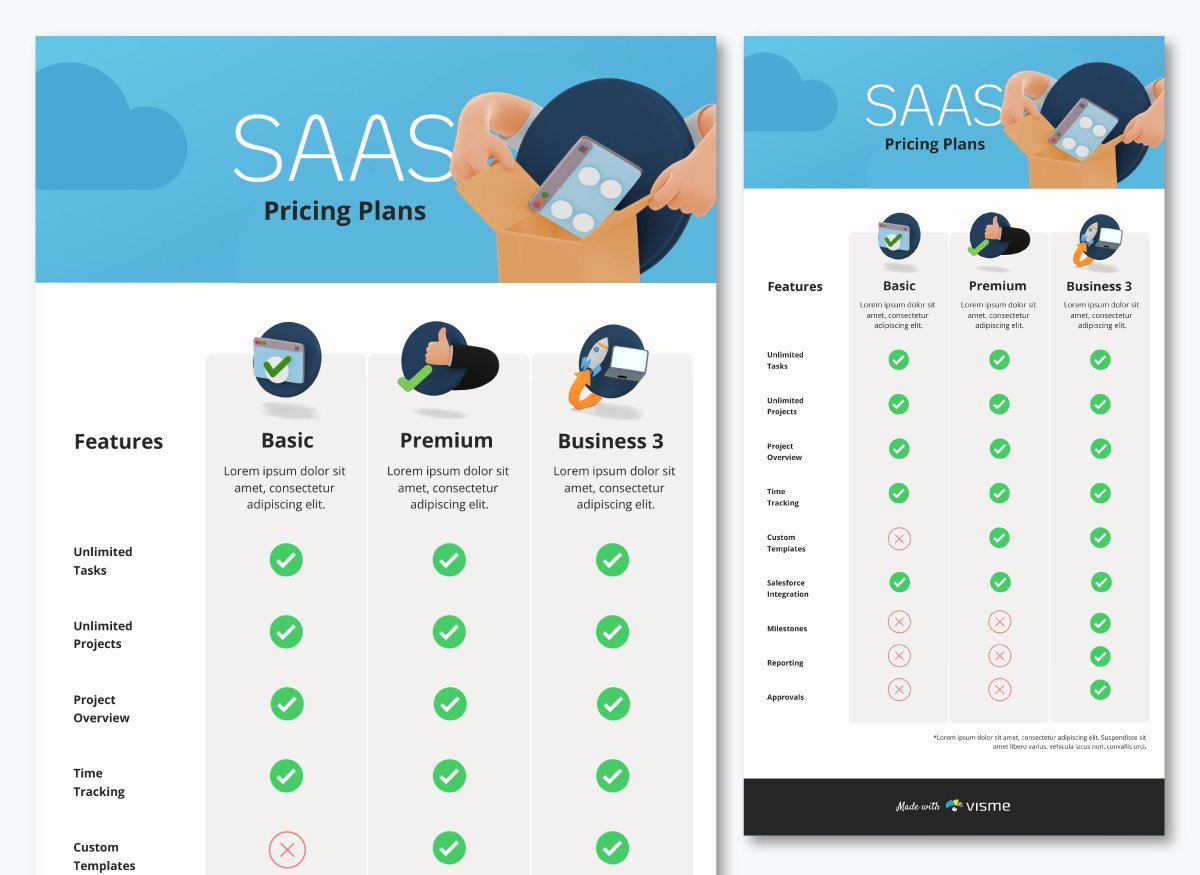 visme.coHow to Make an Interactive Comparison Chart visme.coHow to Make an Interactive Comparison Chart |
| Listicles/Roundups | Decision | “10 Best [Products] for [Need] in 2026” | Highest (multiple links) | Scannable format with pros/cons |
| Problem-Solving Posts | Awareness | “Common [Problem] Mistakes and How to Fix Them” | Medium-High | Builds empathy and positions solutions |
Example of a comparison table in an educational affiliate article—readers love structured, unbiased breakdowns.
These formats rank well because they directly answer user queries while creating natural link opportunities.
17 Blog Post Examples (to Write Better Blog Posts): 4 Templates
Well-structured educational blog posts with headings, visuals, and helpful insights keep readers engaged longer.
Best Practices for Crafting Converting Educational Content
Quality separates sustainable earners from short-lived sites.
- Research Thoroughly: Use tools like Google Keyword Planner, Ahrefs, or Semrush for intent-focused keywords. Include primary research (personal testing) for EEAT.
- Structure for Readability: Clear headings, short paragraphs, bullet points, tables, and visuals. Aim for 2,000+ words on pillars.
- Provide Genuine Value First: Solve problems completely before mentioning products. The 80/20 rule: 80% education, 20% promotion.
- Incorporate Multimedia: Screenshots, infographics, embedded videos increase dwell time.
- Optimize for SEO: Proper on-page elements, internal linking, and schema markup.
![The Content Marketing Matrix [Free marketing strategy graphic]](https://www.smartinsights.com/wp-content/uploads/2024/03/Content-Marketing.png)
The Content Marketing Matrix [Free marketing strategy graphic]
Building trust through educational content creates loyal readers who return and convert over time.
Update content annually to maintain freshness signals.
Integrating Affiliate Links Naturally and Ethically
The key to sustainable revenue: Links feel like helpful suggestions, not interruptions.
- Contextual Placement: Mention tools within tutorials (e.g., “I use [Tool] for this step—here’s why”).
- Dedicated Sections: “Recommended Resources” or “Tools I Use” at article end.
- Comparison Tables: Include affiliate-linked product names with honest pros/cons.
- Disclosure Best Practices: Clear, prominent notices build trust.
Platforms supporting natural integration:
- Amazon Associates for product reviews.
- PartnerStack or Impact.com for SaaS recurring commissions.
- Awin/CJ for diverse retail.
Focus on programs you’ve tested—authenticity drives higher conversions.
Measuring Success and Scaling for Long-Term Revenue
Track beyond clicks:
- Key Metrics: Organic traffic growth, time on page, scroll depth, affiliate conversions, EPC (earnings per click).
- Tools: Google Analytics 4, Search Console, platform dashboards.
- Scaling Strategies: Build pillar-cluster topics, repurpose into email sequences or YouTube, earn backlinks via outreach.
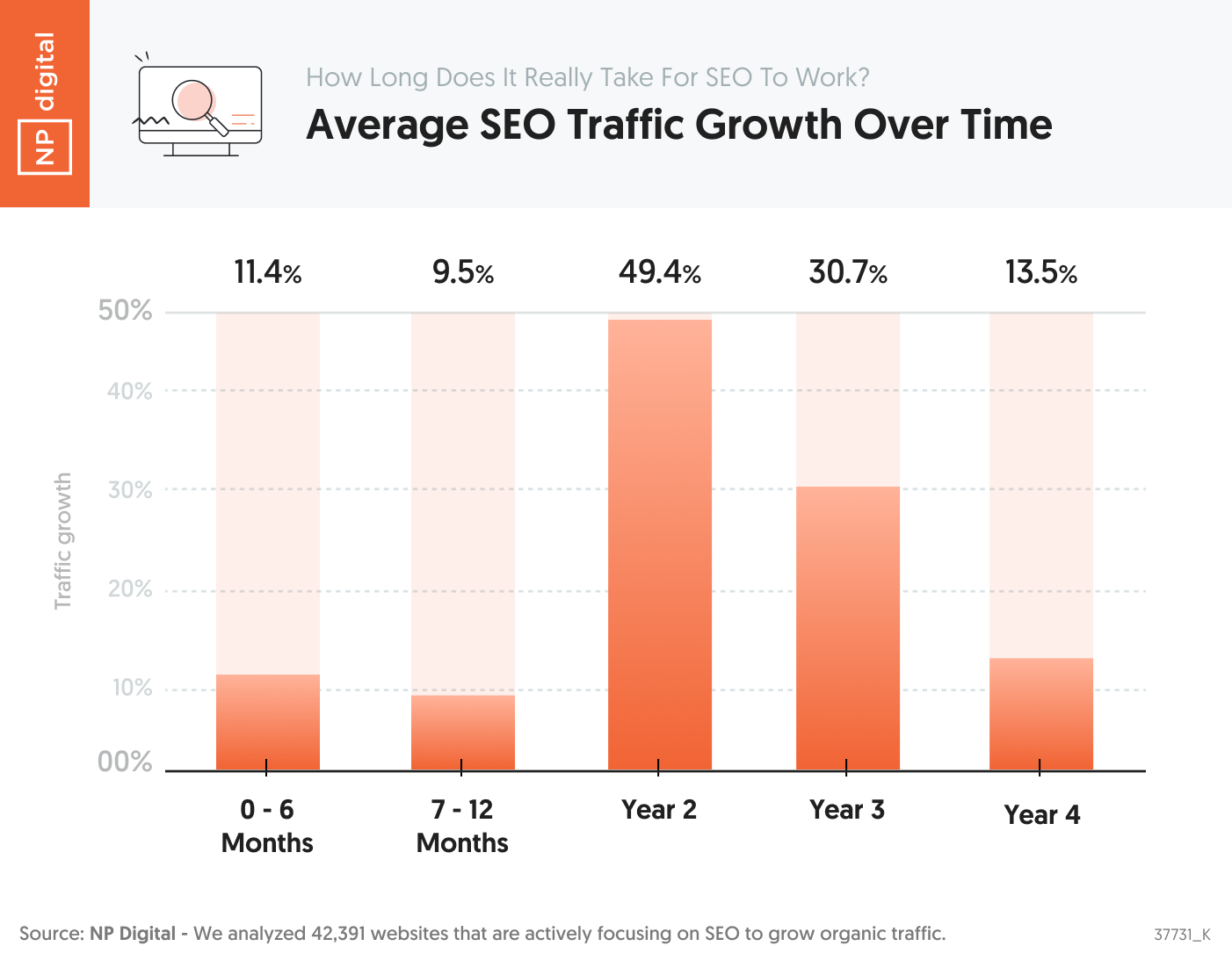
How Long Does it Really Take For SEO to Work?
Consistent educational content leads to compounding SEO traffic and revenue over months/years.
Many sites see meaningful revenue after 12-18 months of consistent publishing.
Real-World Examples of Success
Tech review sites earn thousands monthly from evergreen tool guides with recurring SaaS links. Lifestyle blogs convert via educational “how-to” posts leading to product roundups. Finance authority sites build million-dollar portfolios through in-depth educational series.
The common thread: Prioritizing reader education creates audiences that trust—and buy from—recommendations repeatedly.
Conclusion
Educational articles transform affiliate marketing from transactional to relational. By guiding readers from curiosity to confident purchases through valuable content, you create sustainable revenue that grows with your authority.
In 2026, success favors creators who teach first and sell second. Start with one comprehensive guide in your niche, focus on solving real problems, and integrate recommendations naturally. Over time, the conversions follow—organically and profitably.
